Reading an upholstery fabric specification
Fabric is the part of a sofa the customer touches first and complains about first. Four numbers tell you almost everything, and Foshan suppliers will give you all four if you ask.
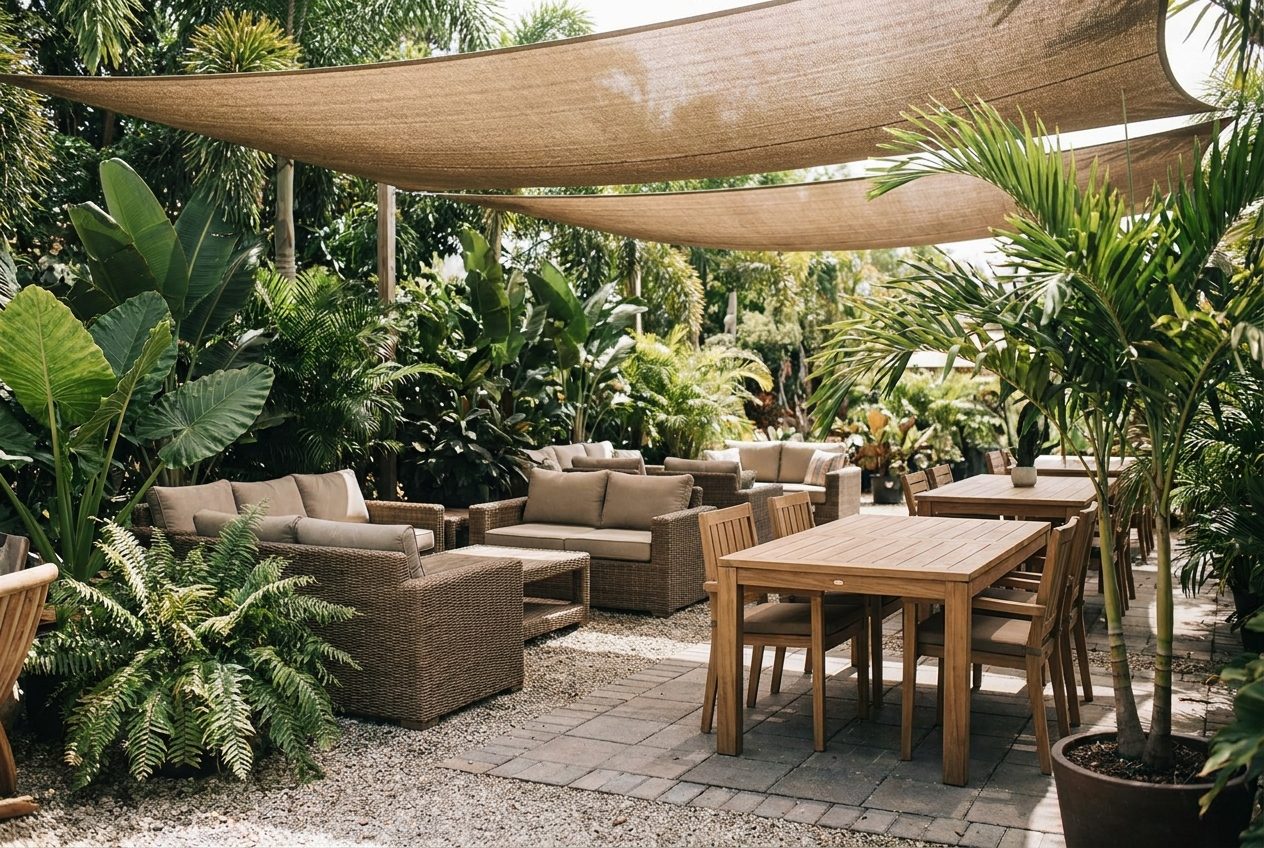
Fabric choice in a showroom is usually made on colour and hand-feel, which are the two properties that say least about how the sofa will look in year two.
The specification sheet behind the swatch is short, and it is worth learning to read.
Martindale and Wyzenbeek
Abrasion resistance is measured two ways. Martindale is the European method, quoted in cycles. Wyzenbeek is the American one, quoted in double rubs. They do not convert reliably between each other, so compare like with like.
Rough guidance on Martindale: under 15,000 is decorative or light domestic use; 15,000–25,000 is general domestic; 25,000–40,000 is heavy domestic and light commercial; 40,000+ is contract. Hotel and restaurant projects typically specify 40,000 or above, and a public-area seat may need 100,000.
Very high numbers are not automatically better for domestic furniture; extremely durable fabrics are often stiffer and less pleasant. Match the number to the use.
Composition, and what each fibre does
Polyester dominates Chinese upholstery: cheap, strong, colourfast, and it pills if the yarn is poor. Polypropylene is highly stain-resistant and common in performance fabrics. Acrylic, particularly solution-dyed acrylic, is the outdoor fibre — the colour goes through the fibre rather than sitting on it, so it survives UV.
Cotton and linen feel best and wear worst, and blends are the usual compromise. Chenille and velvet are constructions rather than fibres and can be made from any of the above.
Ask for the composition as percentages and the weight in grams per square metre. A 280 gsm polyester and a 480 gsm polyester behave nothing alike, and gsm is the number that never appears on a swatch tag.
Colourfastness and pilling
Colourfastness is rated 1 to 5 against light, rubbing and water. Anything sold into a bright climate wants 4 or better to light; a sofa by a window with a rating of 3 will show a stripe within a year.
Pilling is rated 1 to 5 too, and 4 or better is the target. Pilling complaints are the most common fabric complaint in retail, and they are a yarn quality issue rather than a use issue.
Ask for the test report with the fabric reference on it. Chinese mills produce these routinely for export lines, and a supplier who cannot produce one is selling you a domestic-market fabric.
Practical checks and questions
Rub a swatch hard with your thumbnail for ten seconds and look for fibres lifting. Stretch it diagonally — excessive stretch means it will bag over cushions. Hold it to the light to see the density of the weave.
Ask whether the fabric is backed. A latex or acrylic backing stabilises the weave and makes upholstering cleaner; unbacked loose weaves distort on curves.
And ask the question that saves a reorder: is this fabric available in twelve months, and in what minimum quantity? Many showroom fabrics are one-off lots. Building a range around a fabric that cannot be repeated is a problem you meet later, at the worst moment.
What to write down
Cover fabric: [supplier reference], composition [%], weight [gsm], Martindale [cycles], pilling [rating], colourfastness to light [rating]. Backed / unbacked. Fire performance to [standard] tested with the specified foam. Swatch signed and dated by both parties, attached.
That single paragraph removes most fabric disputes before they start, and it takes one conversation in a showroom to fill in.