Visiting Lecong furniture market
Lecong is the centre of gravity of the district. This is what a visit to it actually involves.
If someone tells you they are going furniture buying in Foshan, they almost certainly mean Lecong. It is a town in the Shunde district, and over several decades the furniture trade along its main road has grown into one of the largest concentrations of furniture retail and wholesale anywhere in the world.
What the strip actually is
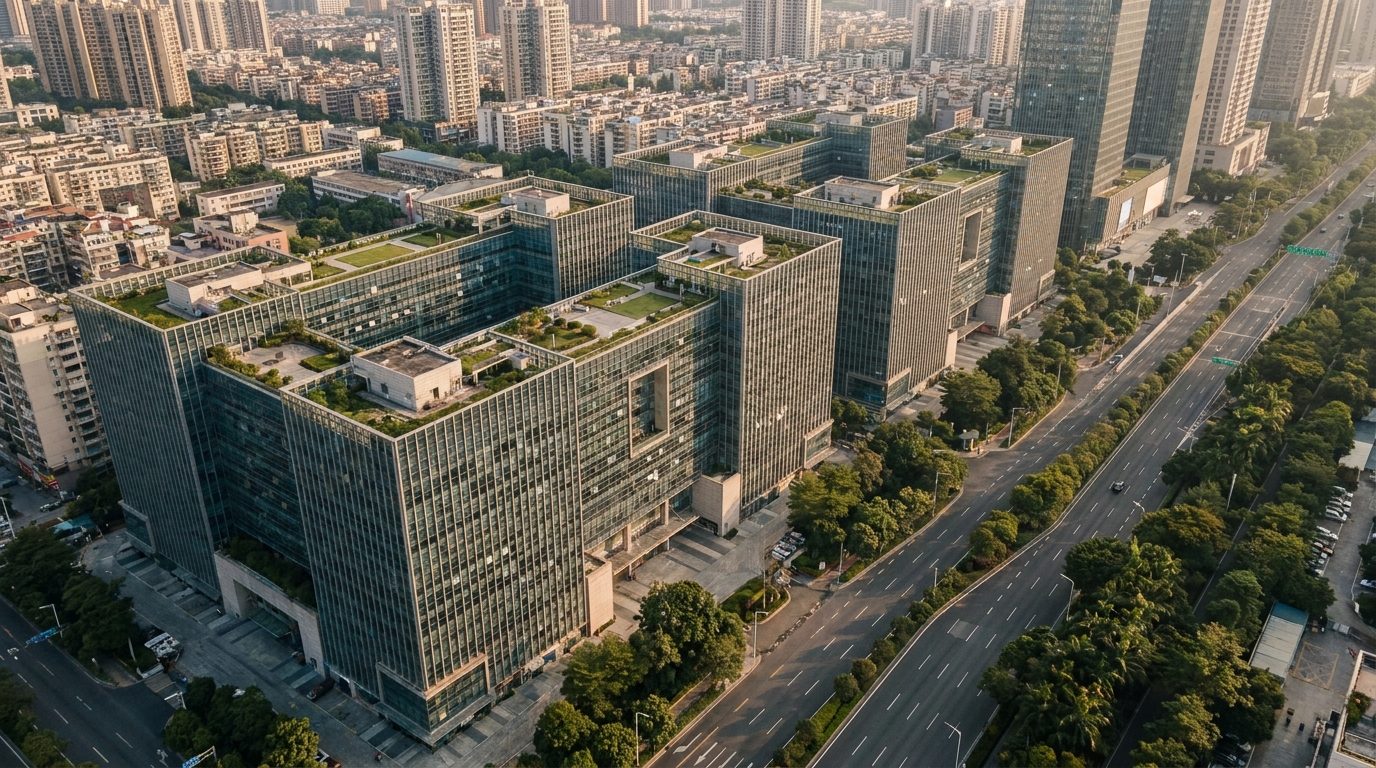
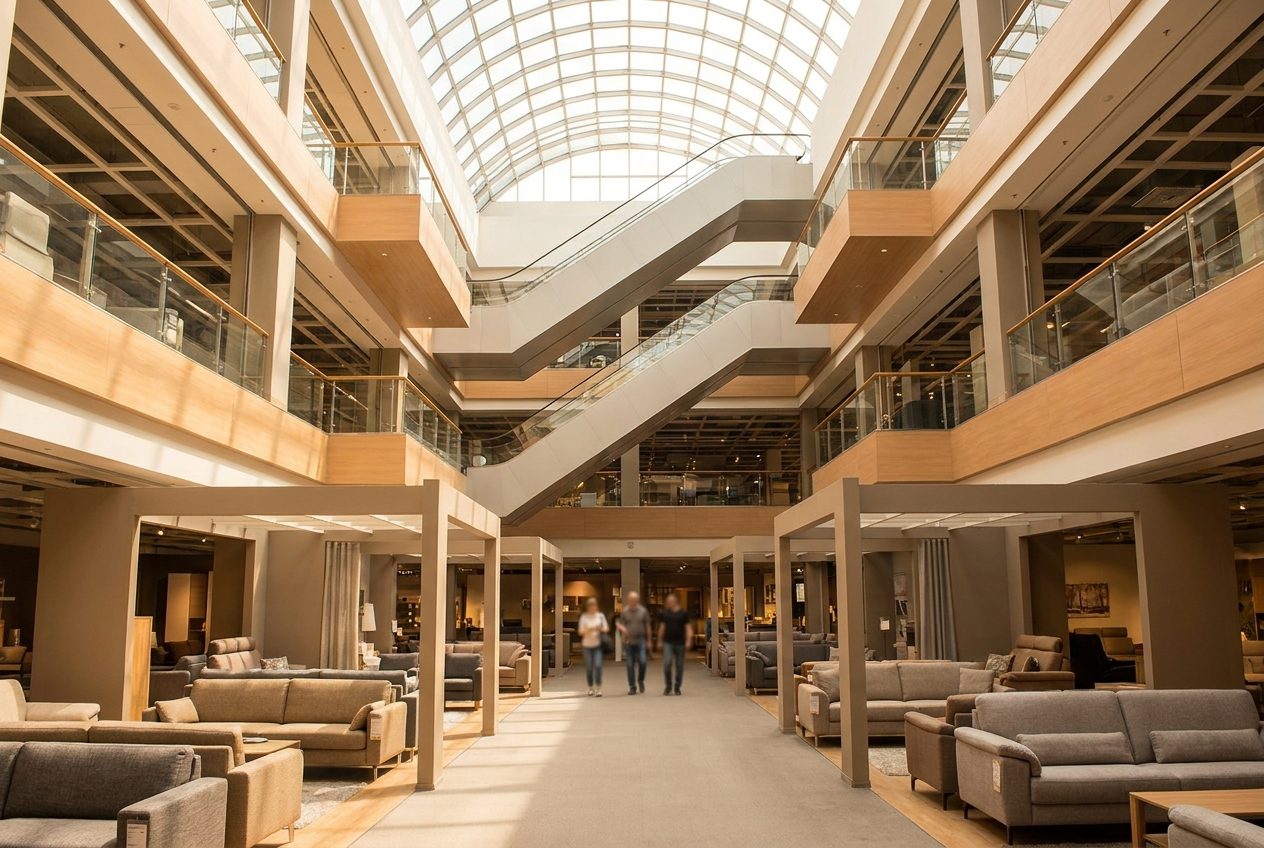
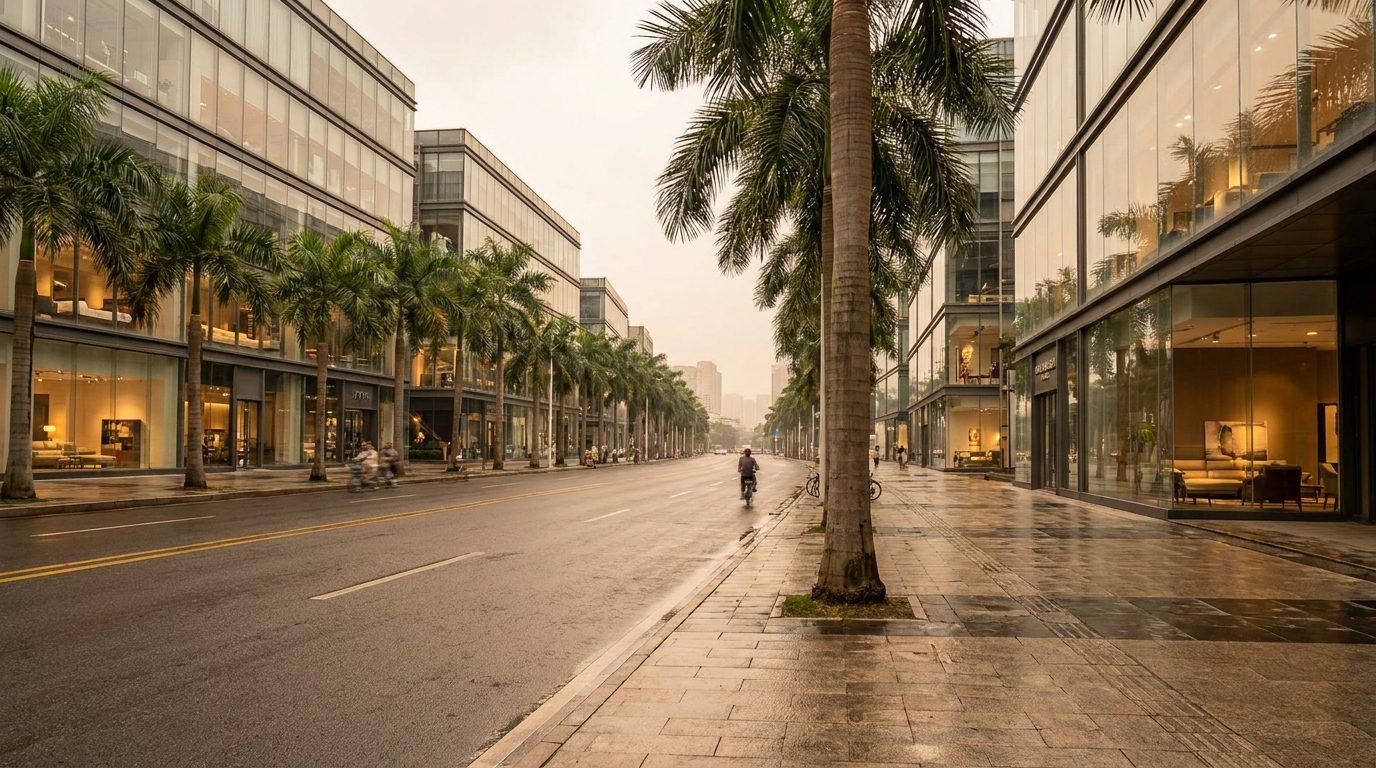
Imagine a wide road running for kilometres, with very large exhibition buildings on both sides, most of them several storeys, most of them containing dozens or hundreds of individual showrooms. Add the smaller malls and the clusters filling the gaps between them, and the older halls set back from the road that have been trading since long before the newer centres were built.
The whole of it functions as one market in the sense that a buyer can compare across it, but each building is its own operation with its own tenants, its own price level and its own character.
Getting your bearings
The strip is not walkable end to end, and treating it as one long shopping street is the first mistake most visitors make. The distances are real, the buildings are deep, and a single large centre can absorb three hours without you seeing all of it.
What works is choosing a small number of buildings deliberately, moving between them by car, and being willing to walk out of one that clearly does not carry your category. That last part is harder than it sounds when the escalator in front of you promises four more floors.
What Lecong is strongest at
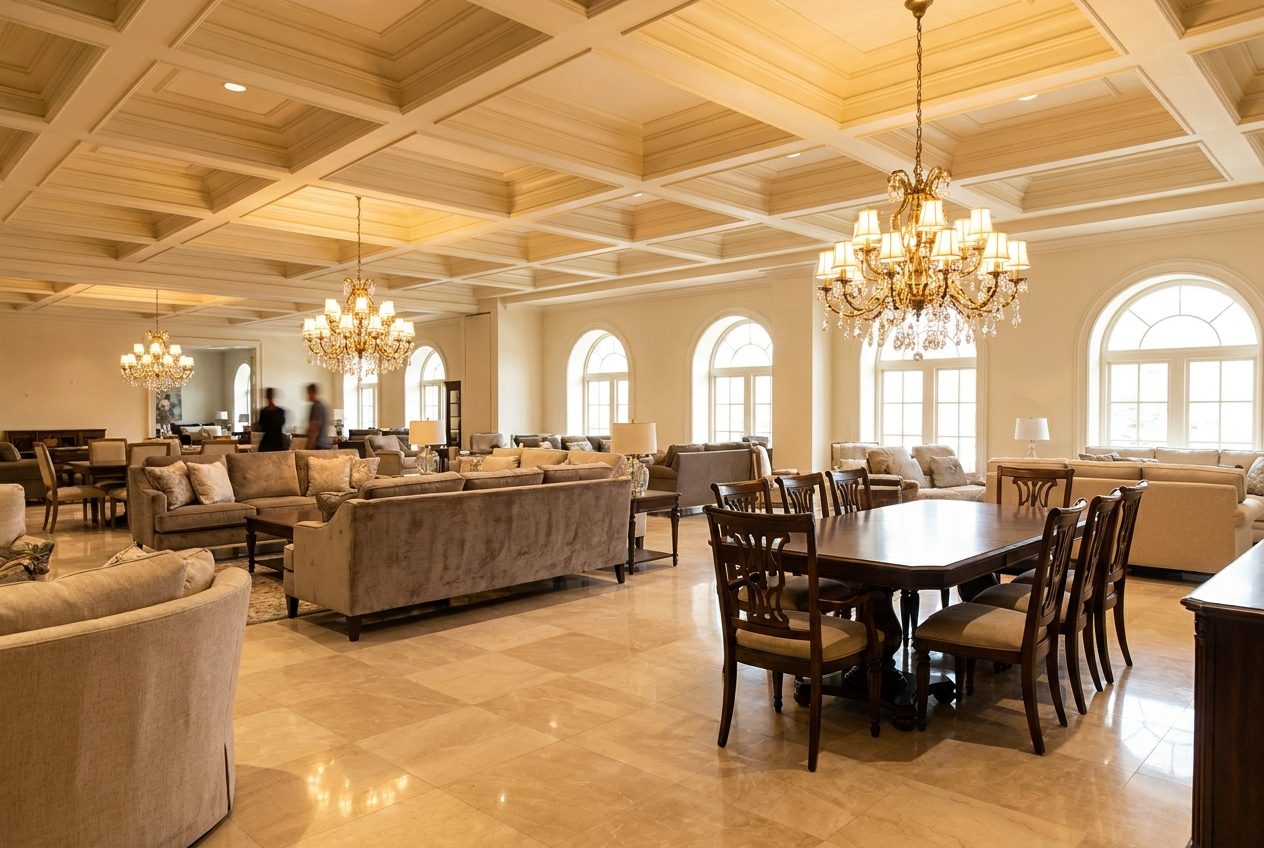
Breadth, first. Upholstery, dining, bedroom, case goods, office, outdoor and the accessories that go alongside all of it are present in serious depth. Second, the range of price levels: the same category can be found at several very different points in the same afternoon, which is difficult to arrange anywhere else.
Third, and most usefully, proximity to production. A significant share of what is on display is made within a short drive, and that changes what is possible. Modifications get discussed rather than dismissed, and a sample can be looked at in days rather than weeks.
How experienced buyers work it
- They arrive with a category, not a mood. The strip rewards a narrow brief and punishes a broad one.
- They set the ceiling early. One high end centre first, to calibrate, then down into their own price level.
- They photograph with the model code in frame. Two hundred photographs of sofas are indistinguishable a week later without it.
- They ask what is stock and what is made. It changes the minimum, the lead time and the price, and it is a one sentence question.
- They keep an afternoon spare. The return visit to two showrooms is where the order actually happens.
The language question
A lot of showrooms in the larger centres handle foreign buyers regularly and can manage a price and a lead time in English. That gets you around the building perfectly well. What it does not always get you is the second layer: the frame timber, the foam specification, what the packing actually consists of, whether the piece is made here, and what happens if a fabric runs out mid production.
Those answers exist, and they are freely given. They are simply given more fully, and more quickly, in Chinese. Buyers who spend a day here with someone who can hold that conversation tend to leave with a noticeably more detailed set of notes than buyers who did not, and the difference usually shows up later, at the point where a detail turns out to matter.
Practical notes for a first visit
Wear shoes you can spend eight hours in. Bring a tape measure, because published dimensions are not always the dimensions in front of you. Expect the middle of the day to be quieter in some showrooms. And plan lunch properly rather than skipping it, because Shunde is one of the better places in China to eat and the afternoon goes better for it.
Common questions
Where exactly is Lecong?
Lecong is a town in the Shunde district of Foshan, in Guangdong province, south of Guangzhou. The furniture trade runs along the main road through the town and spreads into the surrounding blocks.
How long does it take to walk Lecong?
Longer than the map suggests, because the buildings are enormous and the distances between them are driving distances rather than walking distances. A focused day covers three or four centres. Attempting the whole strip on foot is not realistic and not useful.
Is Lecong only for large orders?
No, though it is built for trade. Plenty of showrooms hold stock and will sell smaller quantities. The constraint is usually shipping rather than the supplier, because a small order only makes sense if it can travel with other goods.
What is the best day of the week to visit?
Weekdays are calmer and you get more attention from showroom staff. Weekends bring more domestic retail visitors, which makes the aisles busier without making them more useful to a trade buyer.