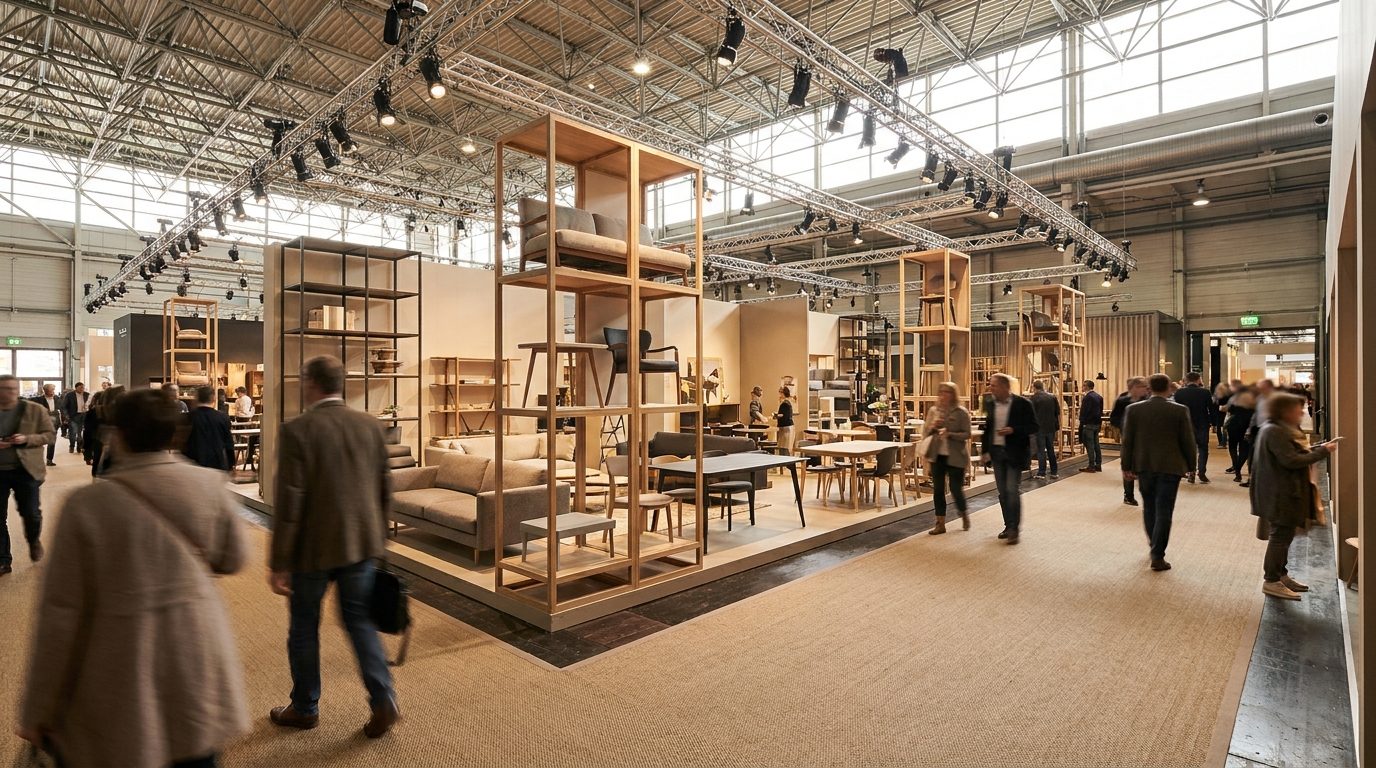
Three days in Foshan: the itinerary
Three days is the point where a trip stops being a look around and starts producing orders you are confident in.
One day in Foshan tells you what is available. Three days tells you what you should buy, from whom, and on what terms. The extra time is not spent walking more halls. It is spent going back.
Day one: cover the ground
The first day is the survey. Set the ceiling at a high end centre, then work through the halls at your own price level, holding to one or two categories. By the evening you want a shortlist of perhaps ten pieces with photographs, model codes and first prices attached, plus a clear sense of which buildings you never need to enter again.
That last part is worth as much as the shortlist. Lecong is large enough that knowing where not to go is a permanent saving on every future trip.
Day two: go where it is made
The second day moves off the retail strip. Most of the production sits around Longjiang, and a factory visit answers questions a showroom cannot. You see whether frames are cut on a machine or by eye, whether the timber is stored dry, how many pieces are actually in production, and whether the operation is the size it says it is.
It also changes the tone of everything afterwards. A supplier who has walked you through their own workshop negotiates differently from one who has only met you across a display sofa. That single day tends to be the reason a first order goes smoothly.
Day three: go back and settle it
The third day is the one people cut and later wish they had not. You return to the three or four places that survived, and this time the conversation is specific: the exact fabric, the exact finish, the packing, the carton dimensions, the deposit, the lead time, and what happens if something arrives damaged.
Second conversations are different from first ones. Prices move more easily on day three than on day one, not because anyone was hiding anything, but because by then both sides know the order is real. Being in the room for that is worth the flight.
What fills the gaps
Three days in one district would be a waste of a trip to Guangdong. There is time in the evenings, and Foshan repays it. Shunde has a genuine reputation for food and it is one of the pleasant surprises of the trip for most visitors. The Ancestral Temple in the old town is a short drive and worth a slow morning. If tiles or lighting are part of your project, both are close enough to fold into the schedule.
The quiet advantage of a longer trip
Something happens over three days that does not happen in one. You stop being a visitor being shown things and start recognising the place: which building holds what, which showrooms keep turning up in your photographs, which supplier answers a hard question straight. Buyers who make this trip once tend to make it again with half the effort, because the map is now in their head.
Having someone with you across all three days compounds that. By day three they are not translating, they are reminding you that the second showroom on day one quoted a shorter lead time for the same frame, and that is the kind of detail that pays for the whole arrangement several times over.
What you leave with
- A shortlist that has survived two rounds of questions rather than one.
- Prices and minimums written down against model codes, not remembered.
- Two or three suppliers you have met on their own floor.
- A working knowledge of the district that makes the next trip half the work.
Common questions
Why three days rather than two?
Because of the third one. Days one and two fill a shortlist, and the third is where you go back to the three showrooms that mattered, ask the second round of questions and settle terms. Trips that skip it tend to finish the negotiation by email a fortnight later, from a lot further away.
Do I need to change hotels?
No. Everything sits within a reasonable drive, so one hotel for the whole trip works and saves a morning. Where to base yourself depends on whether you want to be next to the markets or somewhere livelier in the evening.
Is three days enough to visit factories?
Enough for two or three, which is usually the right number. Factory visits are worth doing slowly, and four in a day turns into a blur of workshops that all look alike in the photographs afterwards.