Furniture tour for interior designers
A designer walks a market differently. The question is not what is cheapest, it is what fits the scheme and can be had in the quantity the scheme needs.
A designer walks a furniture market differently from a wholesaler. The wholesaler is looking for volume at a price. The designer is looking for one chair that solves a room, in a finish that agrees with a floor sample and a paint reference, available in a quantity that suits a single project. Foshan can do all of that, but not by accident.
Bring the scheme with you
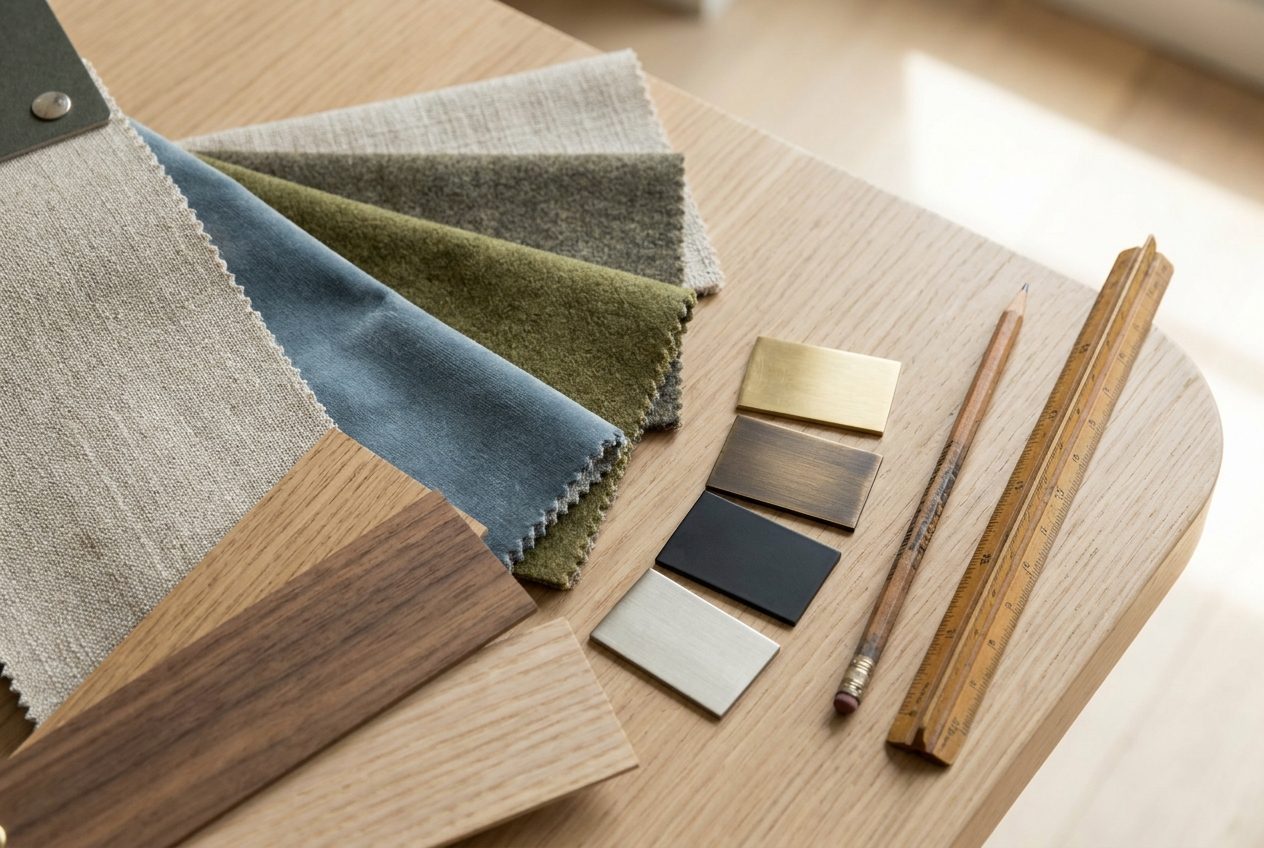
The most useful thing in a designer’s bag is not a shortlist of pieces, it is the palette: fabric references, timber and stone samples, paint chips, and photographs of the space with its light. Furniture is judged against a room, and the showroom lighting in a large mall will flatter or flatten a finish in ways that are impossible to correct for from memory.
Holding your own samples against a piece under three different lights in the same building is a small habit that prevents a lot of later disappointment.
Stock pieces and made pieces
The single most useful question in a showroom is whether a piece is standing stock or made to order. Stock can often be bought in small numbers and shipped quickly. Made to order opens up finishes, dimensions and fabrics, but brings a minimum and a lead time with it.
Most design projects end up with a mix, and knowing which is which from the first hour lets you build the scheme around what is actually achievable instead of adjusting it later.
Working with finishes
Being close to the workshops is the real advantage here. A finish adjustment that would be a long negotiation at distance is a short trip and a sample when the factory is nearby. Two rules make it work: agree the result as a physical sample that you keep, and photograph that sample next to your reference in daylight. Verbal agreement about a shade is the most common source of a surprise on delivery.
Buying small quantities well
- Consolidate. Several small purchases from different showrooms travel far better and more cheaply as one shipment.
- Ask about packing before quantity. A beautiful chair badly wrapped is a damaged chair, and small orders have no spares to fall back on.
- Order one extra where you can. On a project with six of something, a seventh is cheap insurance.
- Keep the model codes. The piece that works in this project is the piece you will want again in two years, and finding it a second time without a code is genuinely difficult.
The value of a good day
Designers tend to get the most out of a trip that is slower and narrower than a wholesale buyer’s. Fewer buildings, longer inside each one, and time to sit with a piece rather than photograph it and move on. A local companion helps here in an unglamorous way: they know which showrooms will happily discuss a single finish change for a small order and which are set up only for volume, and that knowledge alone can save most of a day.
What tends to surprise people
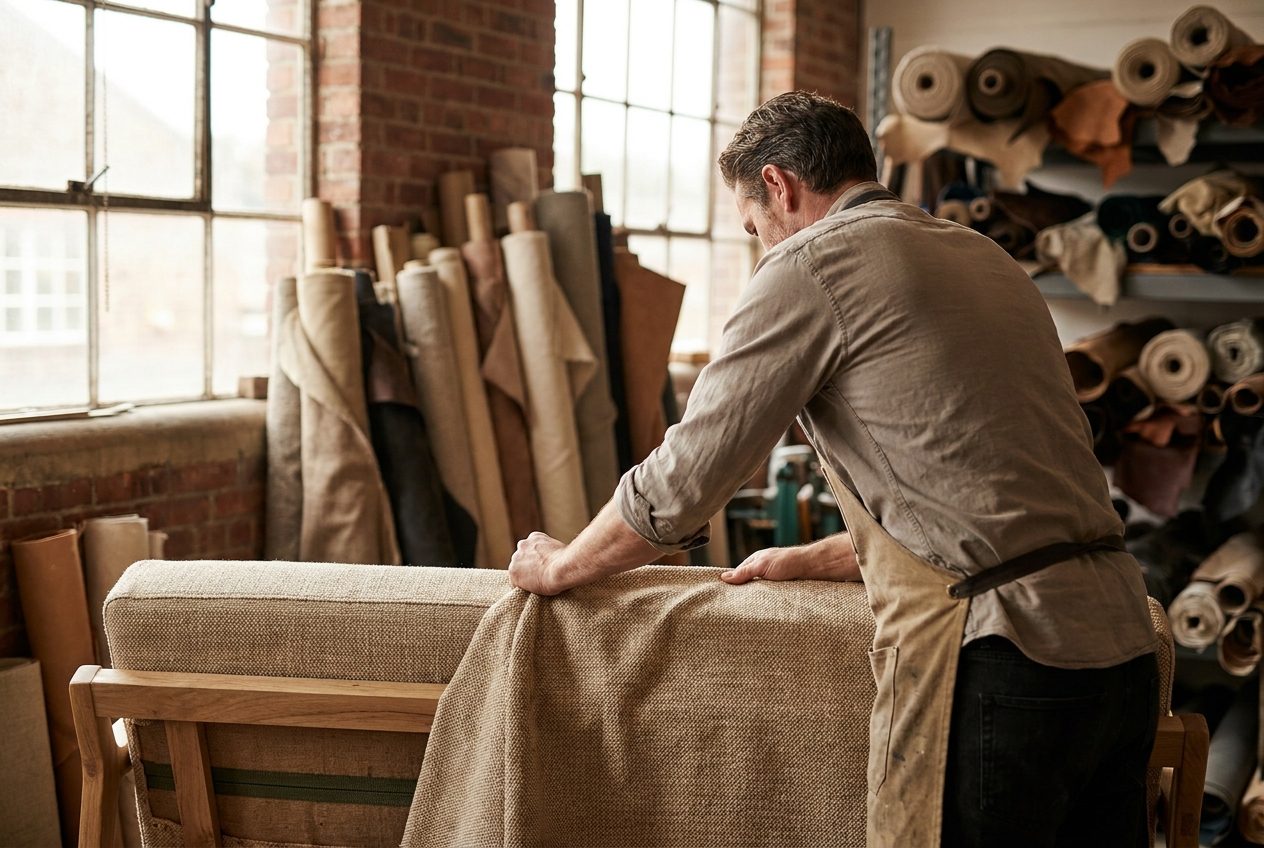
How much is standing on the floor, ready. How willing many workshops are to adjust a detail. And how much better the buying goes once you have seen the making, because a designer who has watched a frame being built specifies differently, and usually more confidently, afterwards.
Common questions
Can we buy small quantities?
Often yes, particularly from showrooms that hold standing stock, and the district has plenty of them. Minimums tend to appear when a piece has to be made to your own finish rather than taken as it is. Asking early which pieces are stock and which are made to order shapes the whole visit.
Can finishes be changed to match a scheme?
Frequently, and this is one of the real advantages of buying where the factories are. A finish change is a short conversation when the workshop is twenty minutes away. What matters is fixing the result as a physical sample rather than agreeing it verbally.
Is it worth the trip for one project?
It depends on the size of the project and on whether you expect to specify similar pieces again. Designers who make the trip once usually find the value is in the map they take home, because the second and third projects are then sourced with far less effort.