Hotel and project furniture trip
Contract buying is a different exercise from retail buying. The piece matters less than whether room ninety two matches room four.
Buying for a project is a different job from buying for a shop. A retail buyer is looking for pieces that sell. A project buyer is looking for pieces that match a specification, arrive in one window, and look identical across every room in the building. Foshan is well set up for this, but the trip needs to be structured around the specification rather than around the showrooms.
Start from the specification, not the aisle
Walking a market with a room schedule in hand is a completely different exercise from walking it to see what catches your eye. The list is fixed: so many headboards, so many desks, so many lounge chairs, in these finishes, to these dimensions. The market’s job is to tell you who can build that accurately and on time.
Which means the useful showrooms are often not the most impressive ones. A workshop that produces plain, well made case goods at volume matters more to a hotel project than a display floor full of statement pieces.
Sample before volume, always
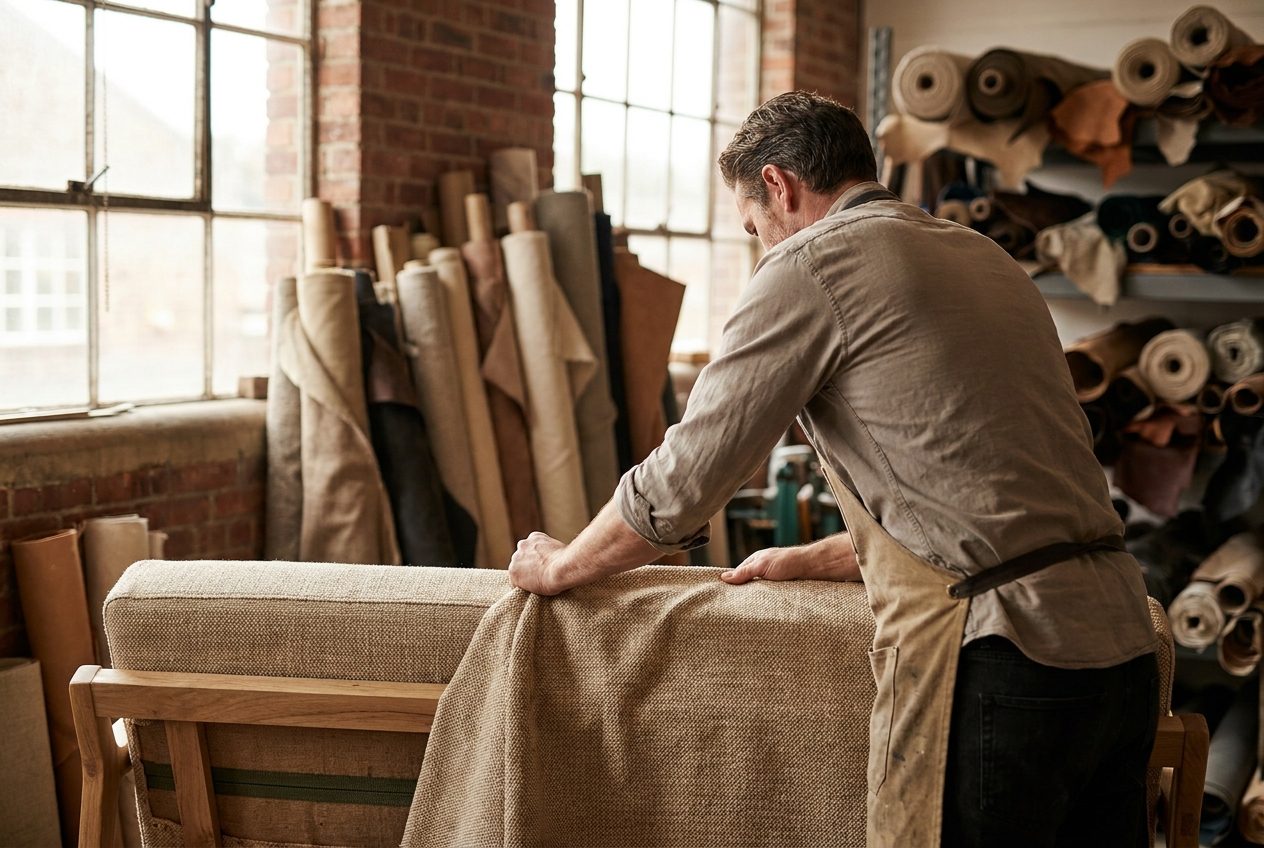
The step that saves projects is the control sample. One finished piece, made to the specification, approved and then kept as the reference for everything that follows. It costs a little time at the front and prevents the most expensive kind of problem, which is discovering after delivery that the last forty units are a shade different from the first sixty.
Timber finishes and dyed fabrics are where drift shows up most. Both are manageable when someone is checking against a reference, and both are close to impossible to correct once the goods are in a warehouse on another continent.
Consistency across a building
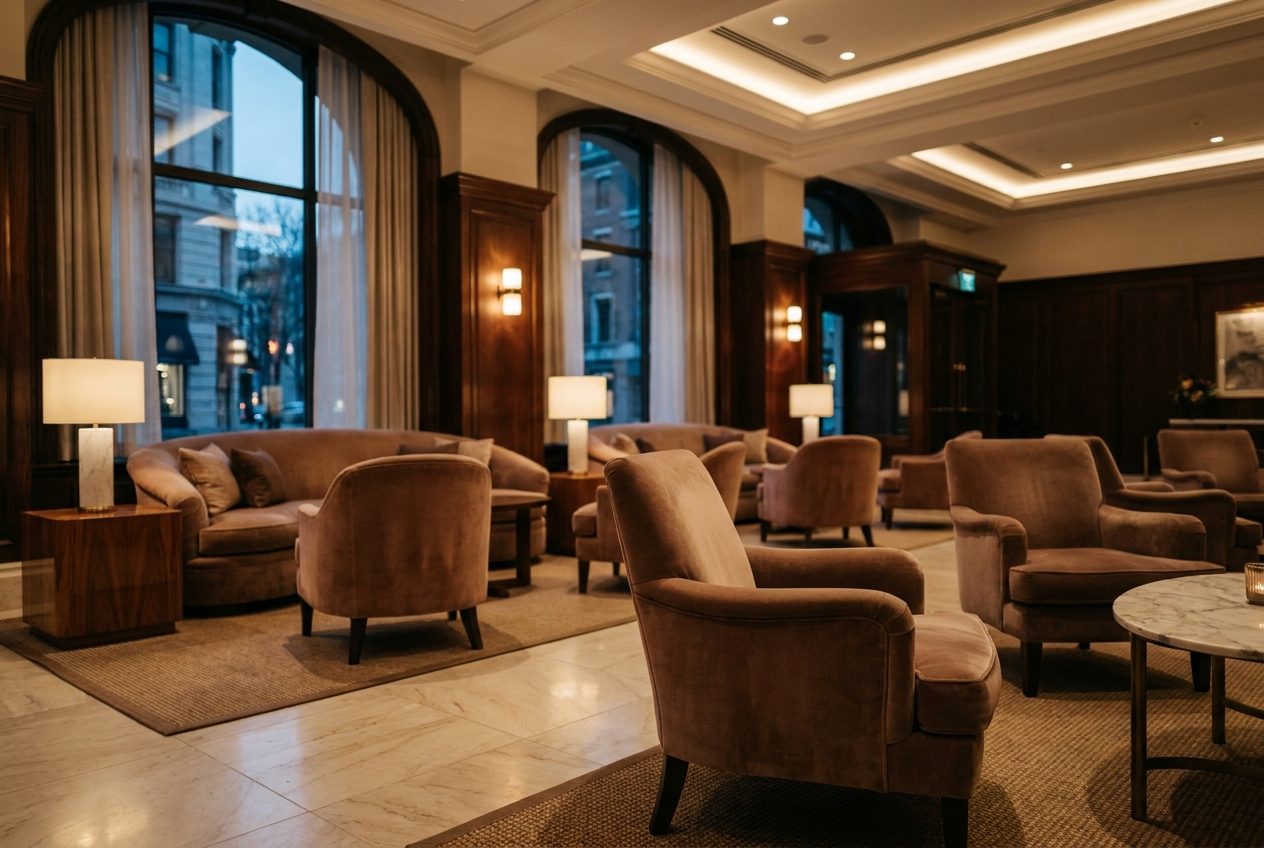
Guests do not compare their room to a specification. They compare it to the room they stayed in last time, and staff compare every room to every other. Consistency is the whole product. Practical things that protect it:
- Fix the fabric and the finish by code and by physical sample, not by name.
- Ask for production to run in as few batches as the schedule allows.
- Have someone look at pieces during production, not only at the end.
- Order spares in the same batch. A replacement made a year later will not match, and it will be noticed.
The schedule is the real risk
An opening date does not move. Furniture from several workshops arriving in one container needs every one of those workshops to hit the same window, and the honest truth of any project is that one of them will slip. The way that gets managed is by someone local holding the schedule, visiting when a date starts to look soft, and telling you early rather than late.
That is where a project trip differs most from a retail trip. The buying takes a few days. The following three months are where the project is actually won, and they are much easier when there is someone on the ground who can walk into a workshop and ask how it is going.
What to bring to the first meeting
A room schedule, drawings with dimensions, your finish and fabric references, the delivery window and the realistic quantity. Suppliers respond to a complete brief with sharper pricing and shorter lead times, because a complete brief tells them the project is real and lets them quote what it actually costs to build.
Common questions
Can factories work to our own drawings?
Many will, and the Foshan district has a lot of experience with contract work. What decides the outcome is how completely the specification is written. A drawing with materials, finishes, tolerances and a named fabric gets built accurately. A photograph and a hope gets interpreted.
How do we keep a hundred rooms consistent?
By fixing a control sample before volume starts and referring everything back to it. Colour drift across production batches is the usual culprit, particularly in timber finishes and dyed fabrics, and it is much easier to prevent than to correct once the pieces have shipped.
Should we buy everything from one supplier?
Not necessarily, and often not. Case goods, upholstery and loose furniture are frequently strongest at different workshops. What matters is that one person is holding the schedule across all of them, because a project ships as a whole or not at all.