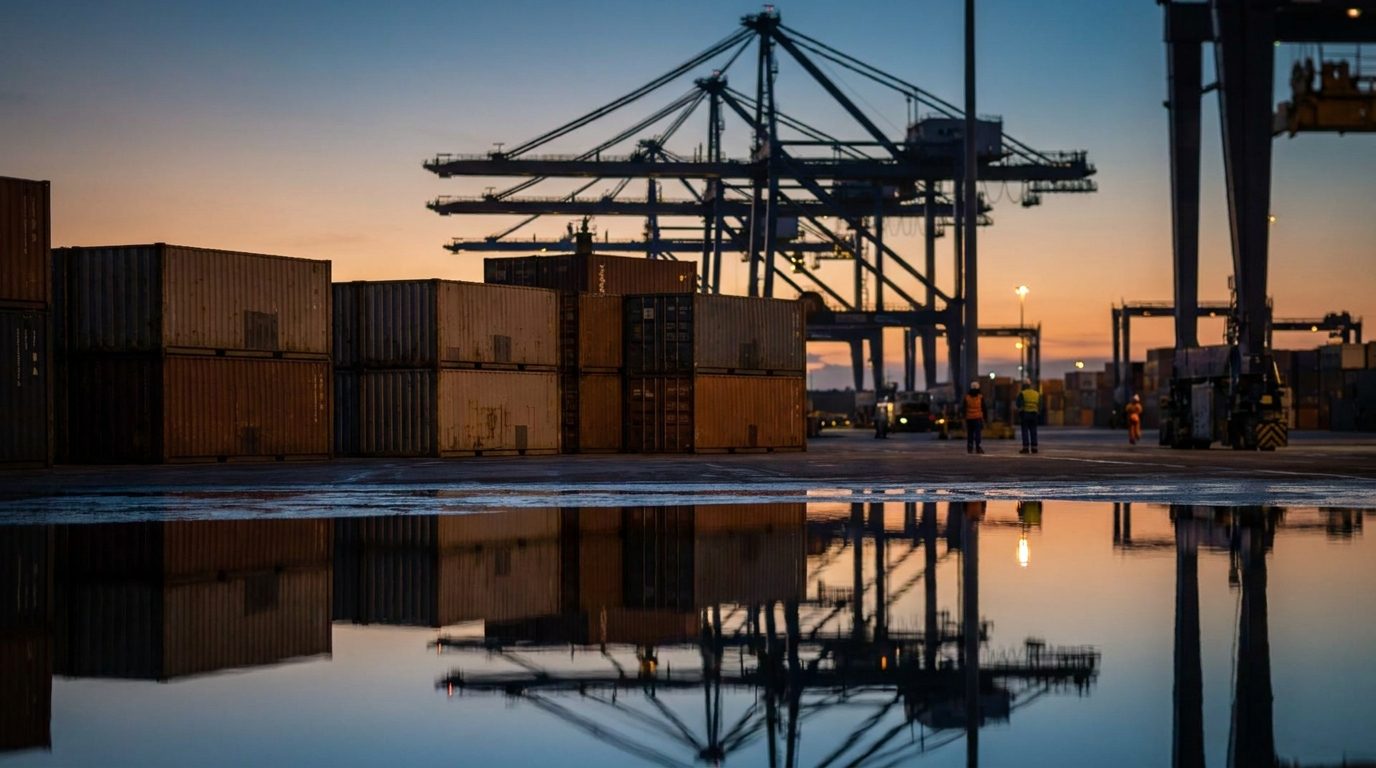
Shipping furniture from Foshan
Shipping is mostly a planning problem. Almost everything that goes wrong was decided weeks before the container moved.
The shipping stage feels like the technical part of buying from China and it is mostly not. It is a planning exercise, and the problems that appear at the destination were almost always created back in the showroom, when someone agreed a lead time or accepted a packing description without looking at it.
Consolidation
Most furniture orders involve more than one supplier, so goods are brought together at a warehouse, checked and loaded as a single shipment. This is entirely routine in a district built around exactly this pattern.
The consolidation point is also the last moment anything can be fixed. Once goods are in the container and the doors are sealed, every remaining problem is a conversation across several thousand kilometres. Having someone look at the goods while they are still on the warehouse floor is the highest value hour in the whole shipping process.
Full container or shared load
A full container generally gives better value per cubic metre and means fewer hands touching your goods. A shared load suits smaller quantities and lets a buyer test a range without committing to a full container of it.
Because furniture is bulky and light, buyers commonly reach full container volume on far fewer pieces than they assumed. Adding up the packed dimensions from your quotations, early, tells you which conversation you are actually having.
Packing is the whole game
Sea freight is not gentle, but the sea is rarely the problem. Movement inside the container is. Furniture that is tightly loaded and properly protected at the corners arrives in a very different state from furniture that had room to shift for several weeks.
- Ask what the packing consists of, in detail, before you order.
- Corners and edges take the damage, so that is where protection has to be.
- Loading tightly is protective. A part full container is more dangerous to its contents than a full one.
- Ask for photographs at loading. It is normal practice and it makes any later discussion short.
Timing
Two things dominate the calendar. The first is that a mixed order ships when the slowest supplier is ready, so lead times need lining up at the point of ordering rather than being discovered later. The second is the Chinese New Year period, when production pauses and the weeks either side become congested. Orders placed close to it need genuine contingency, not optimism.
Fair periods also tighten production, because workshops are preparing new collections while filling orders. Neither is a reason to avoid those months. Both are reasons to ask directly what the lead time looks like in that specific window.
Documents and the destination
The export side is normally handled by your supplier or forwarder. The import side is yours, and it varies by country in ways that no general guide can responsibly summarise. Requirements around timber, packaging materials, labelling and product standards differ, and they change.
The right move is to confirm what your own country requires with your own customs broker before placing the order, so that anything needed can be built into the specification from the start. It is a short conversation at the beginning and an expensive one at the end.
What a smooth shipment looks like
Lead times agreed and aligned. Packed dimensions on every line. Packing specified rather than assumed. Someone checking the goods at consolidation. Photographs taken at loading. Documents prepared before the goods move rather than while they are moving. None of it is complicated. All of it is decided early.
Common questions
Full container or shared?
It depends on volume. A full container is usually better value per cubic metre and involves fewer parties handling your goods. Shared loading makes sense for smaller quantities. Because furniture is bulky, many buyers reach full container volumes on fewer pieces than they expect.
How long does shipping take?
It varies by destination, by season and by routing, and it changes. Ask your freight provider for current transit times for your specific lane rather than relying on a published figure, and add contingency around the Chinese New Year period, when production and sailings are both affected.
Who arranges the export paperwork?
Normally the supplier or a freight forwarder handles the export side. Import requirements at the other end are your responsibility and they differ by country, so confirm them with your own broker before you order rather than after the goods sail.