Furniture factory tour
A showroom shows you the finished piece. A workshop shows you whether the next two hundred will match it.
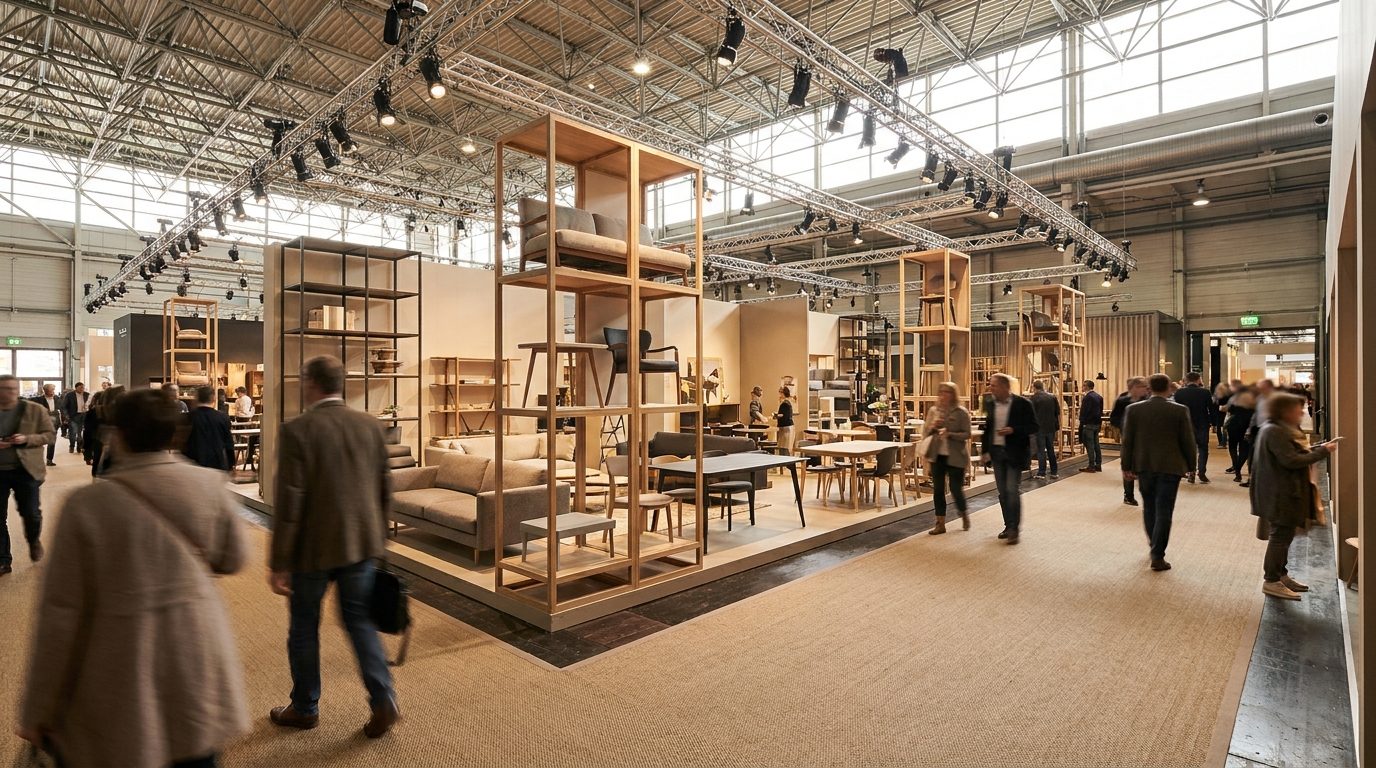
The showrooms of Lecong sell the display piece. The display piece is almost always the best one the workshop has ever produced, and it was assembled slowly by the person who cared most. What a factory visit tells you is what number two hundred is going to look like.
Where the making happens
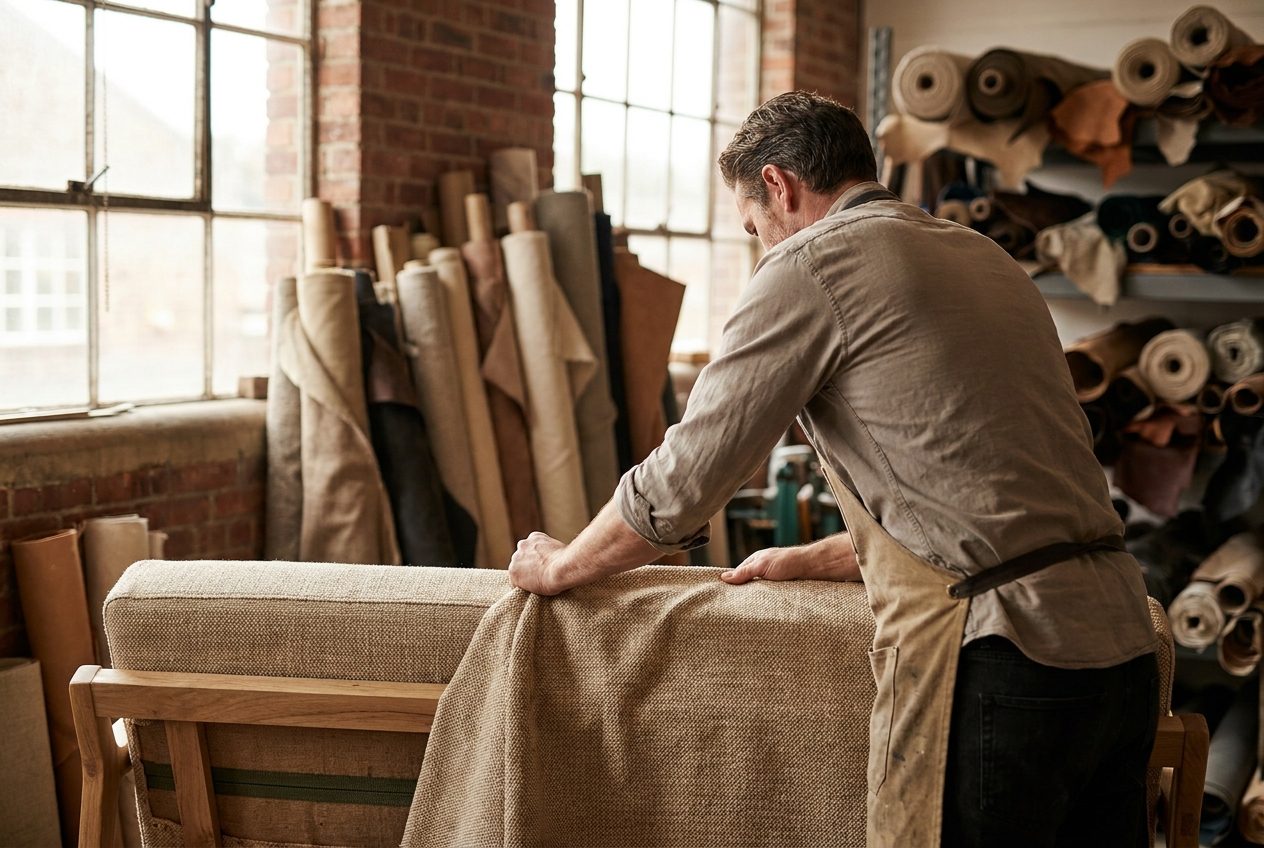
Most of the production that supplies the Foshan market sits a short drive from the showrooms, concentrated around Longjiang and the surrounding towns. That closeness is the reason the district works the way it does. A change discussed in a showroom in the morning can be looked at on a workshop floor in the afternoon, which is not something most sourcing regions can offer.
What a workshop actually shows you
You are not there to audit anyone. You are there to see a few specific things that a display floor cannot tell you.
- How the frames are cut. Machine cut components repeat. Hand cut components repeat as well as the hand does that day.
- How the timber is stored. Dry, stacked and under cover is what you want to see. Timber that has sat in the weather is a warranty problem waiting to happen in a drier climate than Guangdong.
- What is actually in production. A line running your category at volume is a very different signal from a quiet floor and a full showroom.
- The finishing area. Finishing is where cheap and careful separate most visibly, and it is the easiest thing in the building for a visitor to judge.
- The packing bench. Ask to see it. Packing is the single most common cause of a container arriving with damage, and it costs nothing to look.
The questions that get useful answers
Ask what percentage of the floor is running for export. Ask which markets, without expecting names. Ask what the normal lead time is, then ask what it becomes in the month before a large fair, because that answer is the honest one. Ask what happens if a fabric is out of stock mid production, because the reply tells you how the operation communicates when something goes wrong, which is the only time communication matters.
Why the visit changes the relationship
There is a shift that happens after a workshop visit that is hard to arrange any other way. You have met people on their own ground, seen the work, and shown that you took the trouble to come. Orders placed after a factory visit tend to run more smoothly, and problems that do come up tend to get answered faster.
Arranging those visits is the fiddly part. The workshops are not on a tourist map, appointments are made by phone in Chinese, and the ones worth seeing for your category are not always the ones that offer. This is the part of a buying trip where local help earns its keep most visibly: a day of well chosen factory visits is worth considerably more than three days of walking showrooms, and the difference between the two is entirely in who made the calls.
A note on courtesy
A factory visit is a working day for everyone else in the building. Arriving on time, keeping the group small, asking before photographing anything and being clear about what you might order are all appreciated and all make the next visit easier. Buyers who behave well on the floor get invited back into it.
Common questions
Will factories agree to a visit?
Frequently yes, particularly when the visit is arranged in advance and the buyer is specific about what they are looking to order. A serious enquiry is welcome. Turning up unannounced at the gate is a different experience and usually a short one.
How many factories can I see in a day?
Two comfortably, three at a push. They are spread out, visits run long when they go well, and the fourth one blurs into the third in your notes.
What if the showroom will not say where the factory is?
That is common and not necessarily a problem. Many showrooms represent several workshops and treat those relationships as their own business. It simply tells you what kind of supplier you are dealing with, which is useful to know before you agree terms.