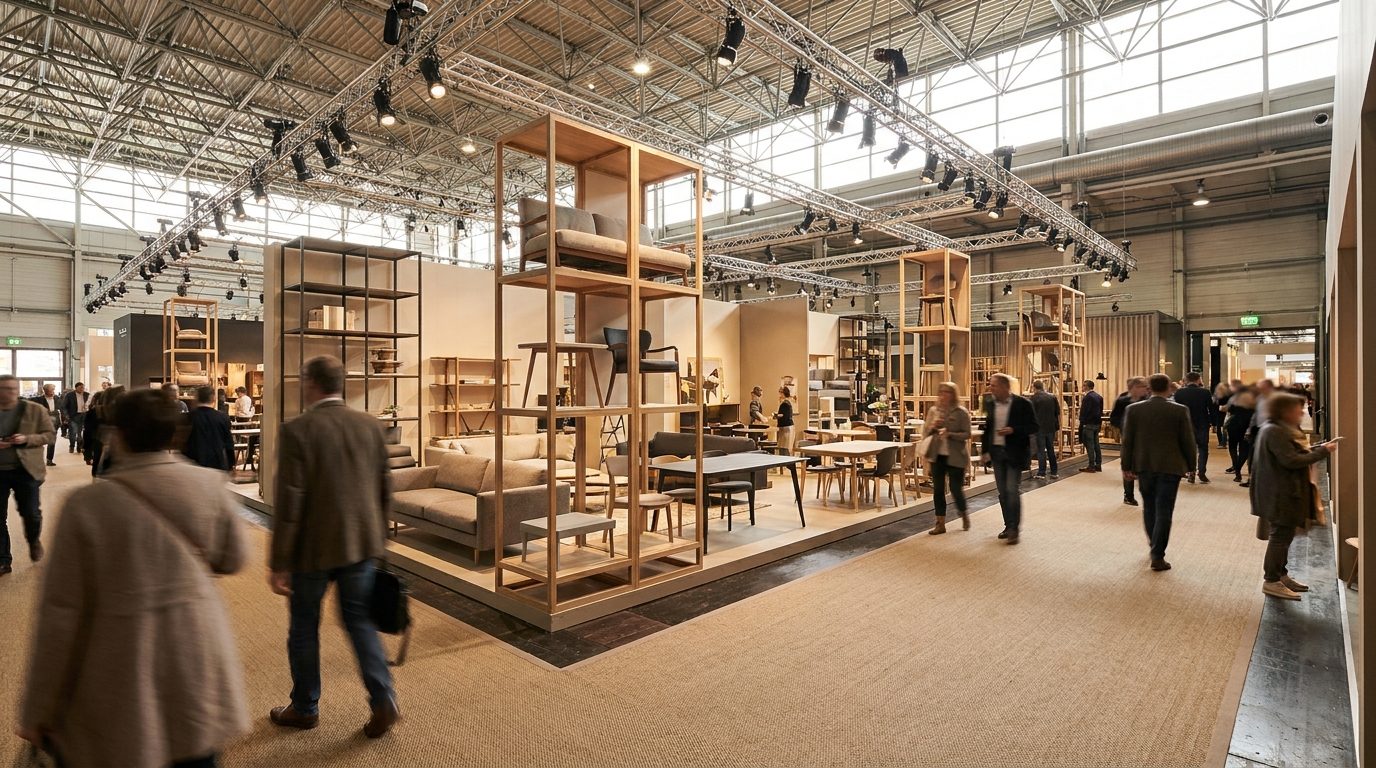
Foshan furniture market tour
One full day, three or four centres, in an order chosen so that each stop makes the next one easier to judge.
A day in the Foshan furniture centres is not a shopping trip. It is closer to a survey. The buildings are big enough that walking them without a plan produces a phone full of photographs and no decisions, which is the outcome most first visits end in. A tour is simply the plan: a chosen order of centres, a category to hold to, and someone alongside you who already knows the ground.
The order of the day matters more than the number of stops
The single most useful thing about a planned day is the sequence. Start at the top of the market, even if the top of the market is well above your price level. An hour among the best executed pieces in Lecong teaches your eye what a tight seam, a properly hung door and a well finished edge look like. Once you have that, everything you see later sorts itself into two piles quickly, and you stop being persuaded by a photograph.
Then move down into the halls where your price level actually lives. The comparison now costs you nothing, because you already know what you are giving up and what you are not. Buyers who do this in reverse tend to buy early, then spend the rest of the trip quietly regretting it.
What happens inside a showroom
The conversation in a good showroom visit follows a shape. What is the frame made of. What is in the cushion, and what happens to it after a year. Is this piece made here or bought in. What is the minimum, and what changes if the order is larger. How is it packed, and what does that packing weigh. What is the lead time in a normal month, and what is it in the weeks before a fair.
None of those questions are difficult. What is difficult is asking twelve of them, in twenty showrooms, in a language where the useful answer and the polite answer sound similar. That is the part of the day where having a local alongside you changes the result rather than just the comfort. The answers arrive faster, they arrive in more detail, and a few of them arrive that would not have been offered at all.
Telling a factory showroom from a trading showroom
Both look the same from the aisle. Both have a sofa on a plinth and a price. The difference shows up later, in whether the price holds, how quickly a change to the fabric can be made, and who you are actually talking to when something needs fixing.
There are tells. A factory showroom usually goes deeper on one category and thinner on everything else. Ask about a modification and the answer comes back specific rather than general. Ask where it is made and the answer includes a district, often Longjiang, rather than a province. None of this is secret, and none of it makes a trading company a bad choice. Plenty of them are excellent, and for a mixed container they can be the better answer. It simply helps to know which one you are standing in.
Lunch is part of the route
This sounds like a small thing and is not. The centres are spread along several kilometres of road, and the difference between a good day and an exhausting one is often whether the middle of it was planned. Shunde is one of the better places in China to eat, so the break is worth taking properly rather than standing up with a coffee.
How the day ends
The day should end with a list, not a feeling. Photographs matched to model codes, prices written down next to them, minimums noted, and a short line on each about why it is on the list. Three or four pieces you would order tomorrow. A few more to think about. That list is what makes the second day useful, and it is what lets you compare Foshan against whatever you were quoted at home without relying on memory.
Who this suits
- A first visit. The map is genuinely confusing and one guided day removes most of the confusion permanently.
- A tight schedule. If you have one day between other business in Guangzhou or Shenzhen, a route is the difference between seeing four centres and seeing one.
- A narrow brief. If you only need dining sets, most of Lecong is irrelevant to you, and knowing which part is not saves the day.
If you have more than one day, the three day trip covers the same ground with room for factory visits and a second look at the shortlist, which is where most orders actually get decided.
Common questions
How much of Lecong can one day actually cover?
Three or four centres, properly, if you keep to one or two categories. Trying to see everything is the fastest way to remember nothing. The buyers who come away with a usable shortlist are almost always the ones who walked fewer buildings and stayed longer in each.
What time does the day start and end?
Most showrooms open around nine thirty and start closing from six, and the useful hours are the middle of that. An early start matters less than a tight route, because time is lost between buildings, not inside them.
Can I buy on the day, or is it only for looking?
Both happen. Some buyers place a first order at the end of a good day, others photograph and price everything and decide once they are home. Nothing about the day pushes you towards one or the other.
What should I bring?
Comfortable shoes above everything, a phone with plenty of storage, a tape measure and a written list of what you are hunting. You will walk a lot further than the map suggests.