Importing furniture into the Gulf
Gulf importers deal with two things nobody else does: a conformity system that must be satisfied before shipment, and a climate that destroys furniture chosen for anywhere else.

The Gulf is one of the strongest markets for Foshan furniture — large volumes, high specification, fast-moving projects. It is also the market where the paperwork has to be right before the container sails, not after it lands.
Two separate problems, then: conformity and climate. Both are solved at the factory.
Saudi Arabia: Saber and SASO
Saudi Arabia runs conformity through the Saber platform. Products need a product certificate of conformity issued by an approved body, and then a shipment certificate of conformity for each consignment, obtained before the goods arrive. Without the shipment certificate the container does not clear.
Furniture itself is treated more lightly than electrical goods, but anything powered in the container — lighting, motorised recliners, LED mirrors — falls squarely into the regulated technical regulations and needs the full route.
The practical point is timing. The certificate is obtained against the invoice and the goods description before shipment. Trying to register a container that is already at Jeddah is the expensive way to learn this.
The UAE and the wider GCC
The UAE requires conformity for regulated products and applies the G-Mark scheme to a defined list, which again captures electrical items rather than plain furniture. Emirates Conformity Assessment applies to controlled categories, and free-zone entry has its own documentary rhythm that your broker will know.
Across the GCC, expect Arabic labelling requirements on retail packaging, country of origin marked clearly, and increasing attention to formaldehyde and chemical content in imported panel furniture. Specify E1 as a floor and E0 where the project allows it.
Certificates of origin usually need attestation, and the chamber of commerce route in China is routine — ask the factory to arrange it and confirm which chamber, because some destinations accept only certain issuers.
Climate: the part that is not on any form
Gulf interiors run cold and dry inside and extremely hot outside, and that combination is harder on furniture than any regulation. Three things follow.
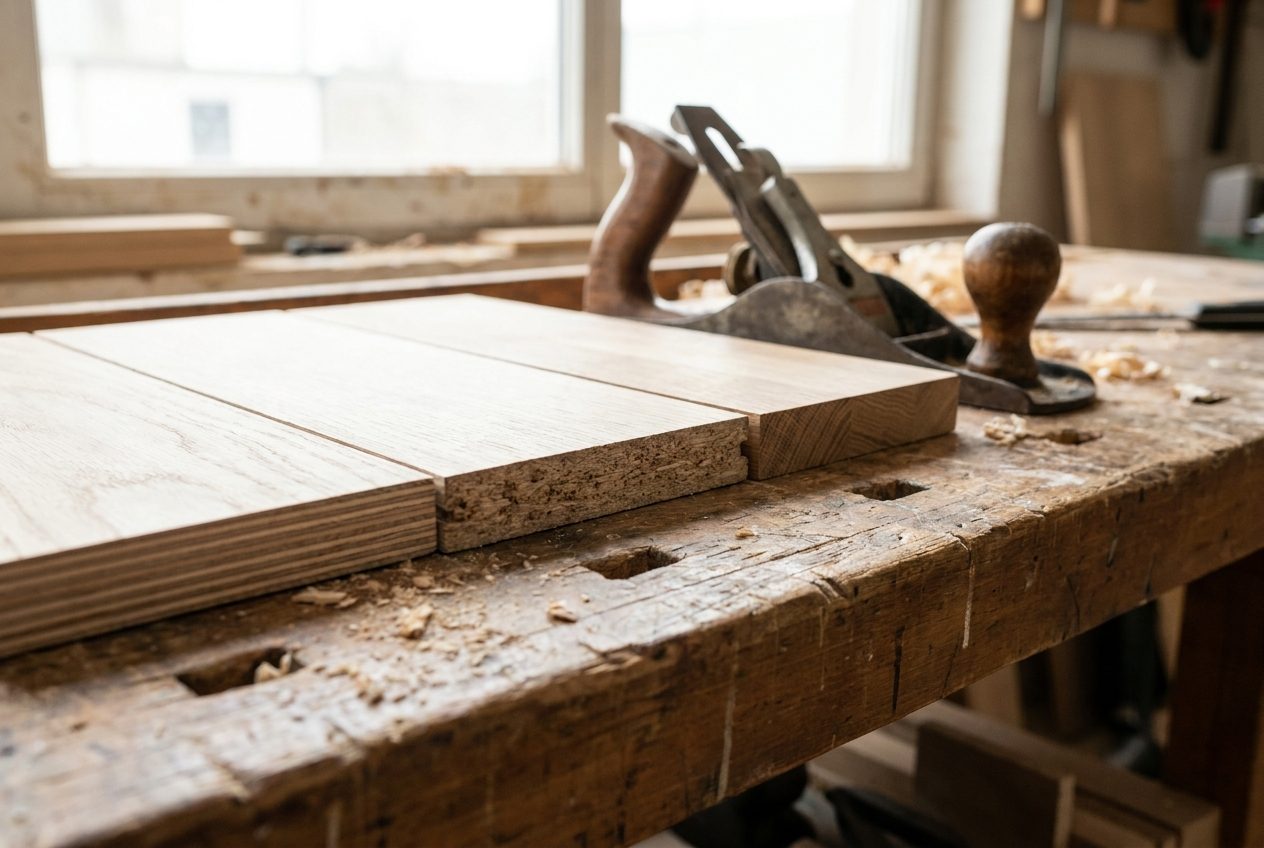
Moisture content. Solid timber kiln-dried to 12% for a humid market will shrink and crack in a Riyadh villa. Specify 8–10% and put the number in the contract. This single line prevents the most common warranty problem in the region.
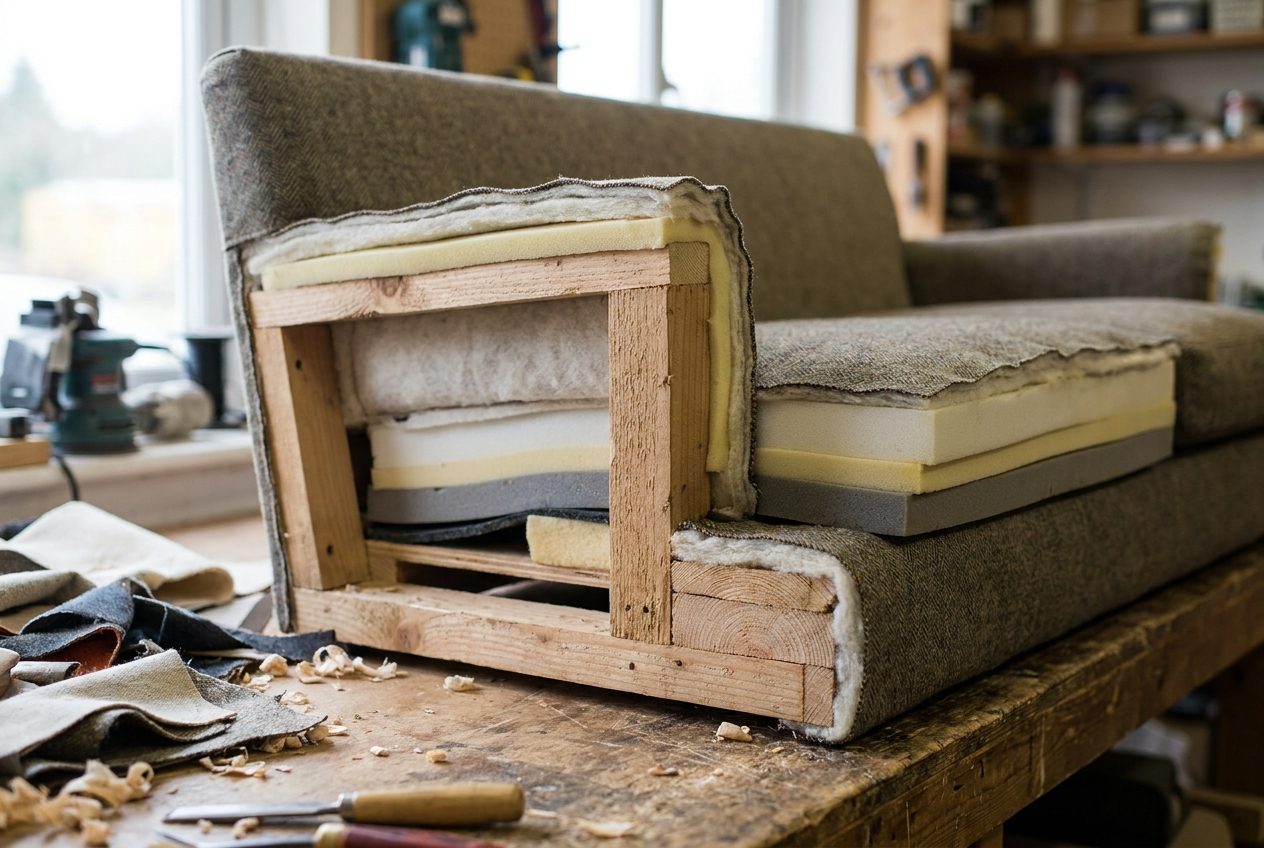
Adhesives and veneers. Heat in transit and in storage delaminates cheap veneer and softens weak glue. Ask for the glue type, insist on quality veneer pressing, and avoid paper-foil finishes for anything that will sit near glass.
Outdoor furniture. UV in the Gulf is brutal. Synthetic rattan must be genuine HDPE with UV stabiliser, not PVC; aluminium frames should be powder-coated over a proper pre-treatment; fabrics need solution-dyed acrylic rather than printed polyester. The price difference is real and so is the difference after one summer.
Shipping and timing
Transit from Nansha or Shekou to Jebel Ali is typically 18–25 days, to Dammam and Jeddah a little longer depending on routing. Ramadan and the Eid holidays shift both project deadlines and clearance speed, and the Chinese New Year shutdown sits on the production side of the same calendar — a project that must open after Ramadan often needs its order placed before the Chinese holiday.
For hotel and villa projects, plan the container around installation sequence rather than category. It costs nothing to load in reverse order of installation and saves days of double handling at a site with no storage.
What to fix before the deposit
Confirm which items in the container are regulated in your destination and start the certificate process at order stage, not at shipment. Put moisture content, glue type and UV specification in writing. Agree Arabic labelling artwork and country-of-origin marking. Confirm the certificate of origin issuer. Ask for the packing to be rated for heat and for containers that will sit on a hot quay.
Gulf buyers who do this once tend never to have a clearance problem again; the requirements are stable and the factories that meet them are easy to identify on a second visit.