The timber paperwork to collect while you are standing there
Australia and the EU both now require documented proof of what your furniture is made of and where it grew. The factory has it. Getting it after you leave is the hard part.
Timber due diligence has quietly become the most administratively demanding part of importing wooden furniture. It is not difficult — it is a list of facts — but the facts live in a filing cabinet in Shunde and become progressively harder to extract the further you get from it.
This is the list, and how to get it in one visit.
What the rules actually ask for
Both the Australian and European regimes rest on the same idea: the importer must know what the timber is, where it was harvested, and that it was harvested legally, and must be able to show the workings.
In Australia the reformed illegal-logging rules took effect on 3 March 2025 and allow authorities to use timber identification technology to verify species and origin claims. In the EU, the deforestation regulation goes further and contemplates geolocation of the harvest plot.
What neither regime accepts is a supplier's verbal assurance, and what neither forgives is a species declared as one thing and identified as another.
The five documents to ask for
1. Species, botanically. Not "oak" but Quercus robur; not "rubberwood" but Hevea brasiliensis; not "acacia" but the specific acacia. Trade names cover several species and the regulators test against the botanical name.
2. Country of harvest. Where the tree grew, not where the furniture was made. Much of the timber in Foshan furniture arrives from Southeast Asia, Africa, Russia, North America or plantations in southern China, and the answer varies by component within the same item.
3. The supplier declaration. A signed statement from the furniture factory naming the timber supplier and confirming legal harvest, on company letterhead with the company chop.
4. Purchase documentation. The factory's own invoices from its timber or board supplier, which is the evidence behind the declaration. Photographs are fine.
5. Any certification. FSC or PEFC chain-of-custody certificates if the mill holds them, with the certificate number so you can verify it. Note that a certified mill does not automatically make your item certified — the chain has to cover your order.
Do it component by component
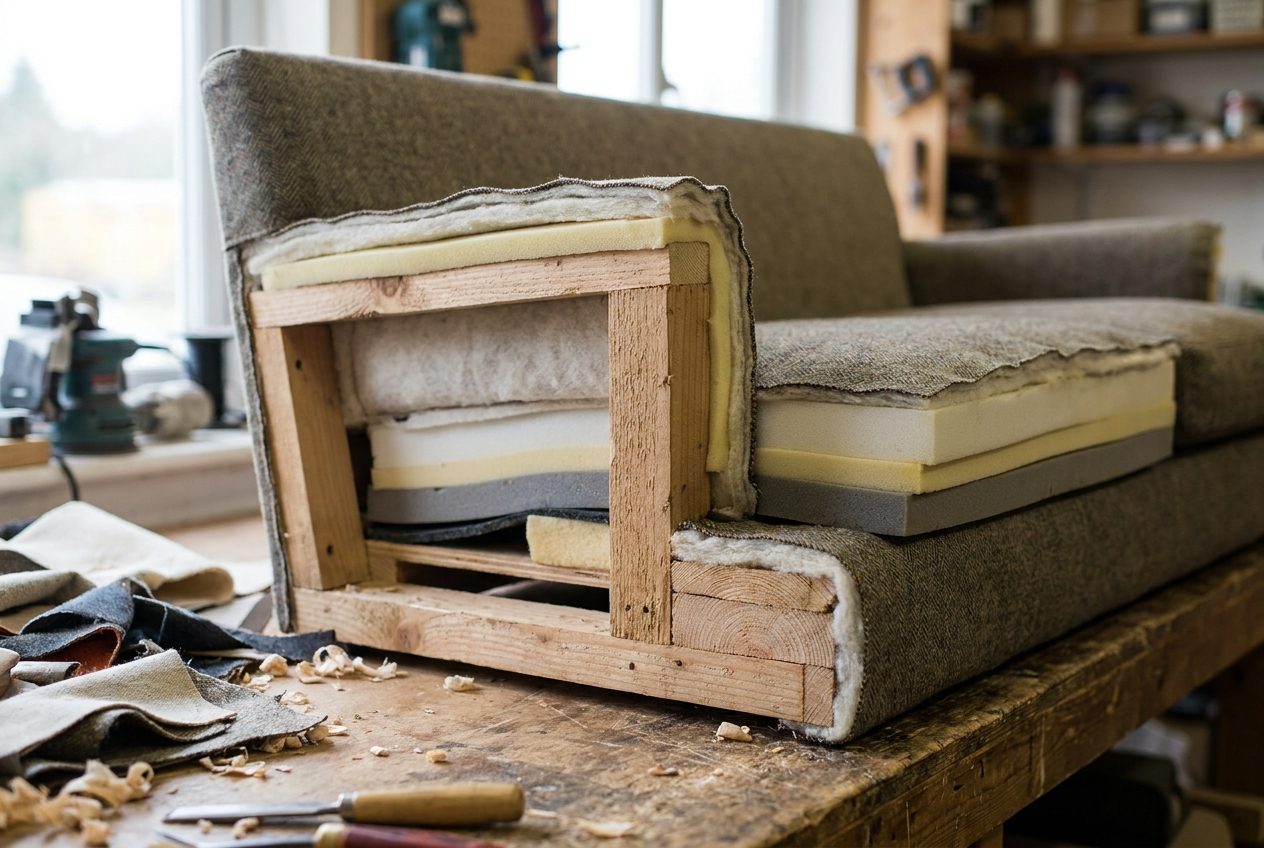
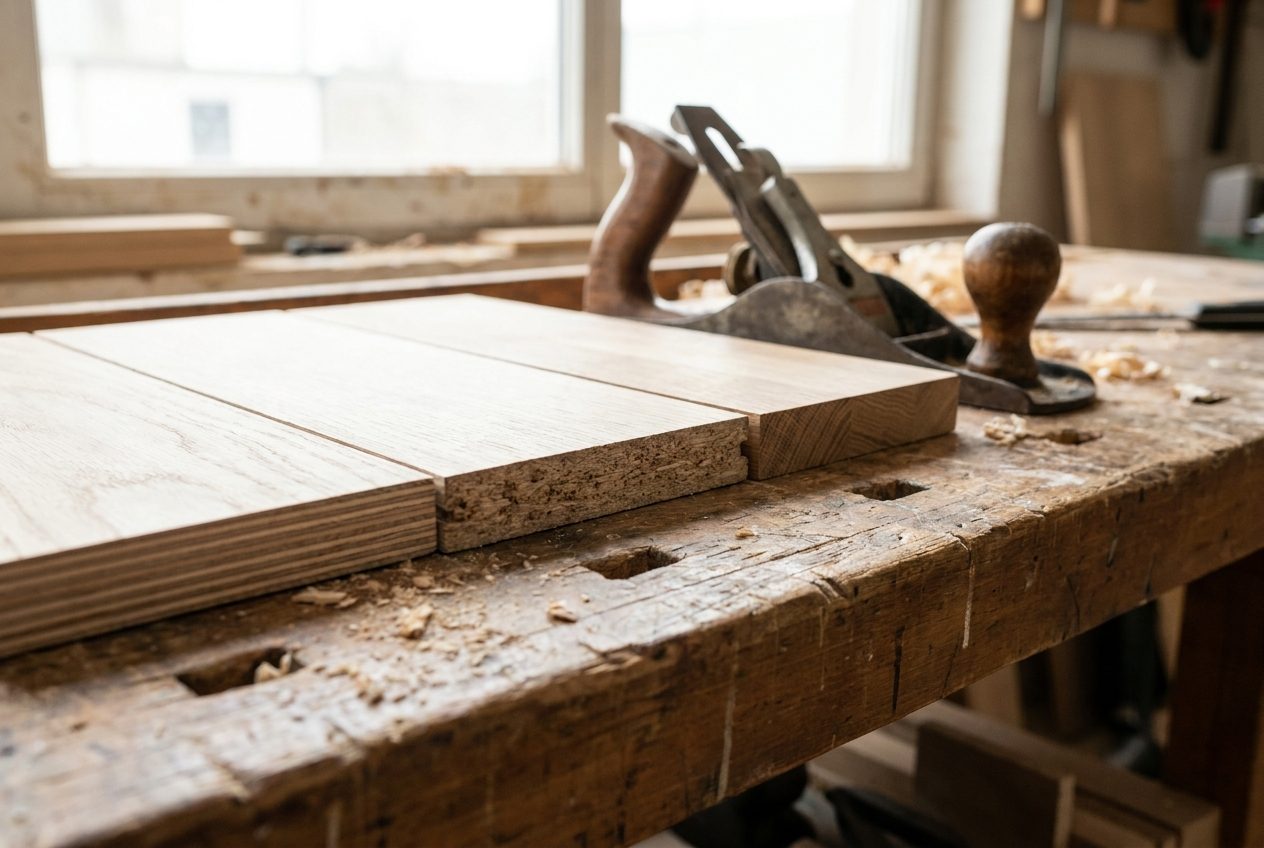
A dining table can be three different timbers: a solid frame, a veneered top on MDF, and a plywood underframe. Each part has its own species and possibly its own origin. Ask for the breakdown per component rather than per item, and record it in the specification alongside the finish and the dimensions.
Panel materials need their own line: the board supplier, the board type, and the formaldehyde grade certificate. Board is where most of the timber volume in a modern container actually sits.
Why the visit is the moment
A factory manager standing next to you will open the file and photograph it. The same request by email, months later, competes with the current production week and frequently produces a generic document that names no supplier and satisfies nobody.
It also lets you ask the question that matters most: can you supply this documentation for every order, including repeats? A supplier who says yes and shows you the file is a supplier you can build a business on. One who becomes vague is telling you that your third container will be the one that gets held.
Filing it so it is useful later
Keep the documentation per purchase order, not per supplier, because that is how a border inquiry arrives. Scan everything into a folder named for the order number and the shipment date, and keep it for the retention period your regulator specifies — five years is a safe default.
Then write one page summarising the risk assessment: species, origin, supplier, the checks you did, and your conclusion. That page is the actual deliverable of a due diligence system, and it takes half an hour once you have the documents in front of you.