Importing furniture into Australia: what has to be right
Australia is an easy market to import into and an expensive one to get wrong. Four rules cover almost everything, and three of them are settled at the factory, not at the wharf.
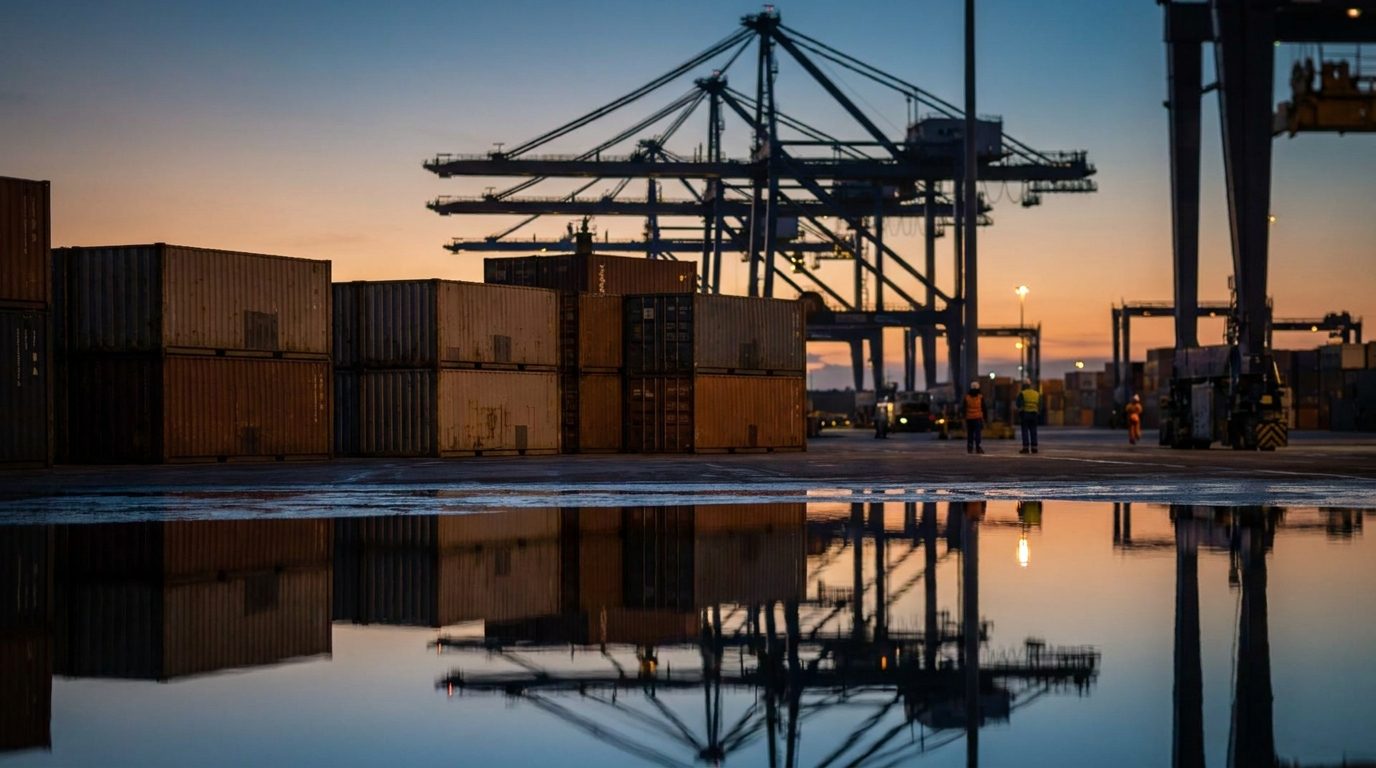
Australian retailers have been buying Foshan furniture for thirty years, and the commercial part is well understood. What has changed recently is the compliance part: two significant regimes tightened in 2025, and both of them are checked after the goods land, when fixing anything is expensive.
None of this is difficult. It is simply a list of things to settle while you are still standing in the showroom.
Duty, GST and the certificate of origin
Most furniture of Chinese origin enters Australia free of customs duty under the China-Australia Free Trade Agreement, provided you hold a valid certificate of origin or a declaration of origin that satisfies the agreement's rules. Without it, the general rate applies to some tariff lines and you have paid for nothing.
GST of 10% applies to the value of the taxable importation — customs value plus international transport and insurance plus any duty. If you are registered for GST you claim it back, but you fund it at the border, so it belongs in your cash-flow planning even when it is not a cost.
Ask the factory for the certificate of origin at order stage and confirm who issues it. It must match the invoice, the consignee and the goods description, and a mismatch is the most common reason a preference claim is refused.
The toppling-furniture information standard
Since 4 May 2025 Australia has had a mandatory information standard for toppling furniture, and it catches a large slice of what a typical container holds.
It applies to clothing storage units and bookcases 686 mm or taller with doors or drawers, entertainment units of any height designed to hold a television, and hall tables, display cabinets, buffets and sideboards 686 mm or taller. Second-hand furniture and pieces designed to be permanently wall-mounted are outside it.
Three things are required: a permanent warning label on the product, point-of-sale warnings both in store and online, and toppling information in the instructions. The warnings must use the recognised safety-alert symbols and a pictogram of a child climbing on the furniture, struck through.
All of it belongs in the factory order. A permanent label applied in Shunde costs nothing; the same label applied in a warehouse in Melbourne costs a person a day, and applying it to a container of stock already in a showroom costs a great deal more than that. Put the label artwork in the specification, ask for a photograph of it on the first production sample, and check it at inspection.
Timber due diligence
Australia's illegal-logging framework was reformed and the new rules came into force on 3 March 2025. Importers of regulated timber products — which includes most wooden furniture — must carry out and document due diligence on the species and the country of harvest, and the authorities can now use timber identification technology to check species claims against what is actually in the goods.
What that means practically is a short list of documents collected at the factory: species names (botanical, not trade names — Hevea brasiliensis, not "rubberwood"), country of harvest, the supplier's declaration, and any chain-of-custody certification the mill holds.
Collect it during the trip. A factory standing in front of you will photograph its timber purchase documents in ten minutes; the same factory answering an email four months later, after the container has landed and a question has been asked, is a much slower correspondent.
Biosecurity and packaging
Australia's biosecurity regime is among the strictest in the world and it is enforced on arrival. Two things matter for furniture.
Timber packaging must comply with ISPM 15 — heat treated or fumigated, and marked. Pallets, crates, bracing and dunnage all count. One unmarked piece of bracing can hold a container.
Cane, rattan, bamboo, seagrass and unfinished timber attract inspection, and bark, soil, insects or seeds will fail it. Have the packing checked before the container is sealed; a treatment certificate in the document pack speeds clearance considerably.
Budget for the possibility of an inspection anyway. Container unpacking and inspection charges are a normal cost of importing to Australia and worth carrying in your landed-cost model rather than treating as a surprise.
Category rules to check before you order
Beyond the general rules, several categories carry their own mandatory standards enforced by the ACCC — cots, portable cots, bunk beds, prams and strollers among them. If your container includes children's furniture, check the specific standard for that product before you agree a price, because the compliance test is not negotiable and a non-compliant line is unsaleable.
Lighting is an electrical product and needs the relevant electrical safety approval and RCM marking with a registered responsible supplier, which is a separate exercise from the furniture itself.
Upholstery has no federal fire standard for domestic furniture in Australia, unlike the UK, but commercial and hospitality projects frequently specify AS/NZS ignition standards contractually. Read the tender, not the law.
A short pre-order checklist
Before the deposit: certificate of origin confirmed; toppling warning labels and anti-tip hardware written into the specification with artwork attached; species and harvest country documented per item; ISPM 15 confirmed for all timber packing; category-specific standards checked for anything aimed at children; lighting certification separated out and quoted.
Six lines, one conversation, and it takes twenty minutes in a Lecong showroom. Every one of them costs multiples of that to fix in Australia.