What a factory will change, and what it will not
Customisation in Lecong is not a yes-or-no question. There is a ladder, and knowing which rung your request sits on tells you the price and the minimum before you ask.
Every buyer wants something slightly different from what is on the showroom floor, and almost every factory says yes. What varies enormously is what that yes costs, and whether it changes your minimum order from twenty pieces to two hundred.
Here is the ladder, from free to expensive.
Free, or nearly free
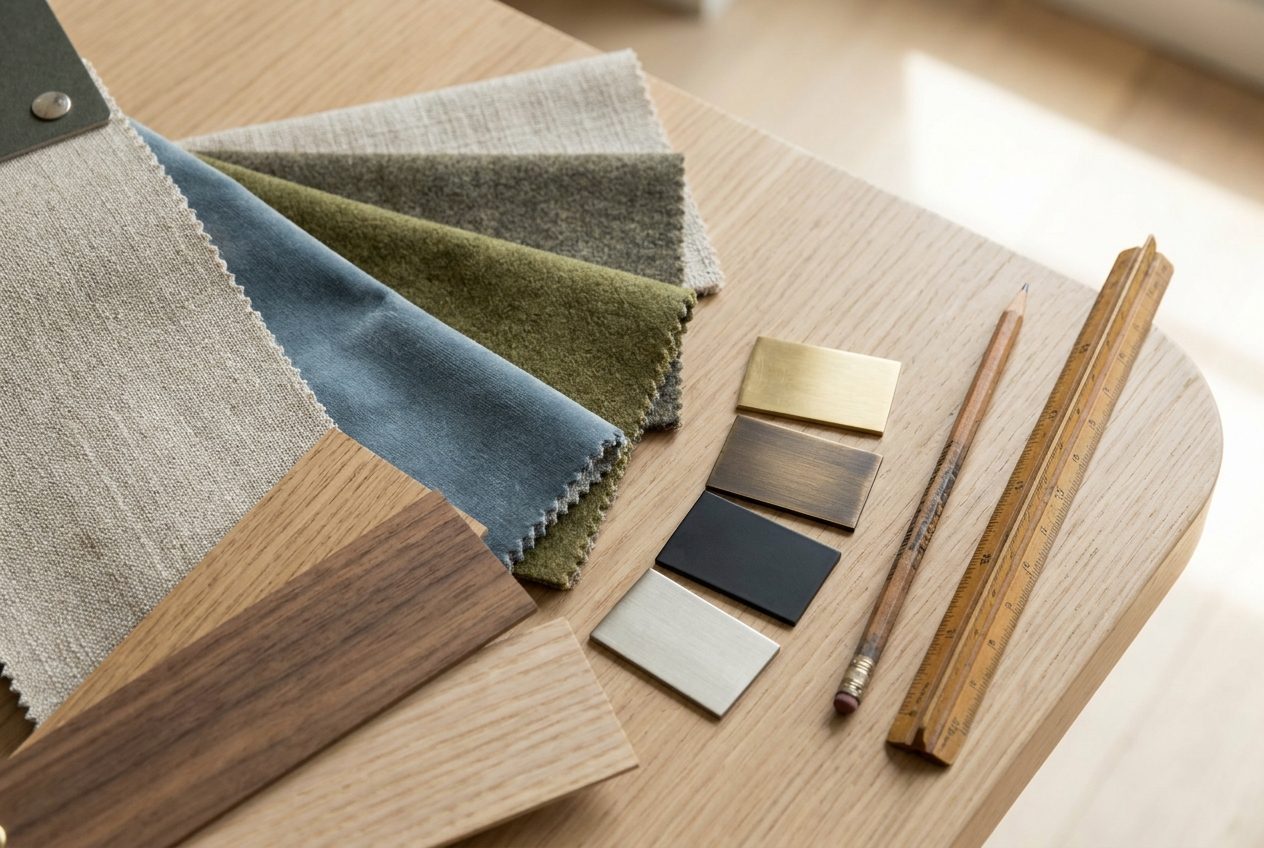
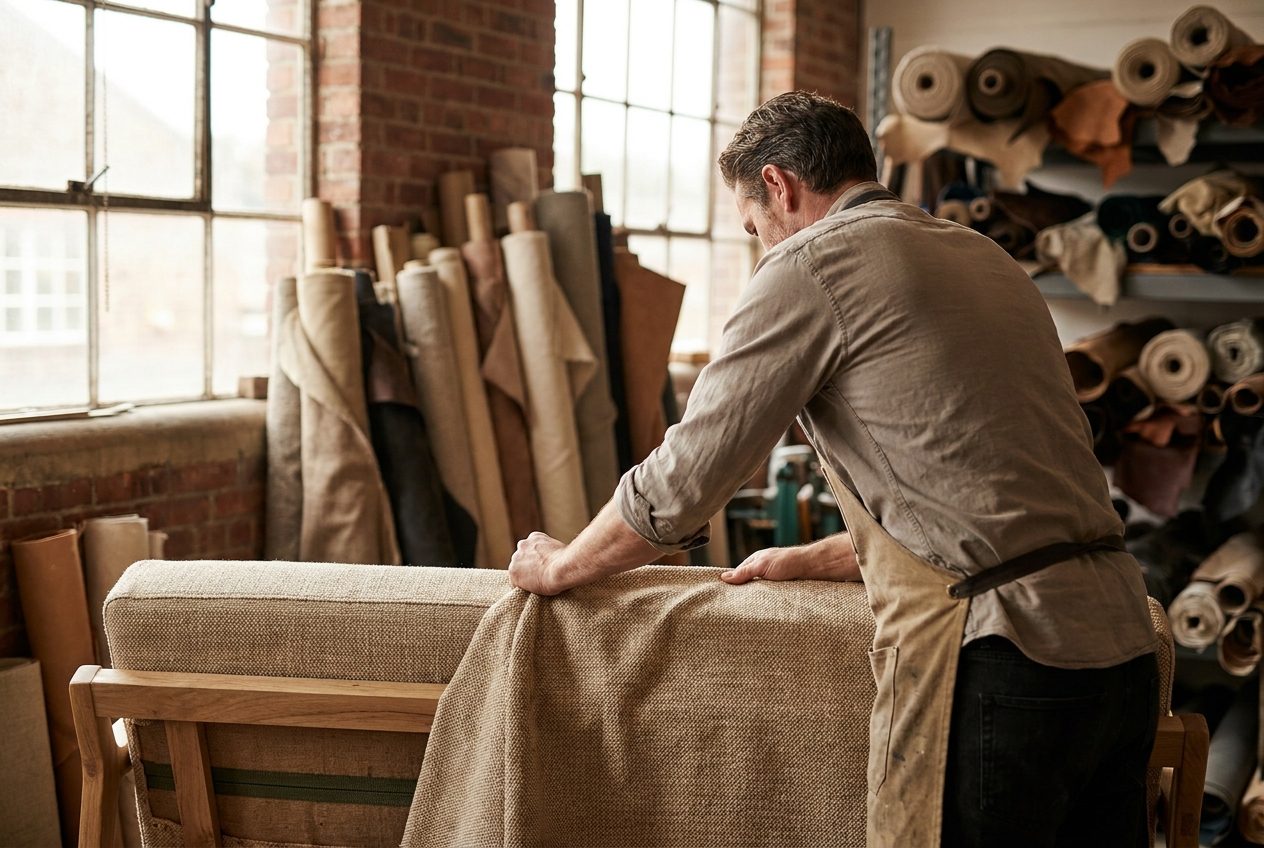
Fabric and leather changes. Any upholstery factory will build in your choice of cover from its available range at no tooling cost. Price changes with the material, not with the change itself.
Finish and colour on wood and metal, within the factory's existing finish library. A new colour mixed to your reference is usually free above a modest quantity.
Hardware substitution — better hinges, better slides, different handles — costs the difference in parts and nothing more.
Packaging and labelling. Your carton print, your care label, your warning label, your assembly instruction sheet. Cheap, and it is the change most worth making because it is the one your customer sees.
Removing features. Dropping a drawer, simplifying a base, deleting a decorative element — factories are happy to do less, and it usually reduces the price.
Cheap, but with a minimum
Dimensional changes within the existing structure. A sofa 20 cm longer, a table 10 cm narrower, a wardrobe with different internal shelving. These need new cutting lists and sometimes new jigs, so expect a minimum of twenty to fifty pieces and a small setup charge.
Combining elements from two models. This base with that top; the arm from one sofa with the back of another. Usually feasible, usually a modest minimum, and usually the highest-value customisation available because it produces something genuinely unlike what competitors are importing.
Height changes on legs and bases, which for many markets is the difference between a sofa that fits the local taste and one that does not.
Expensive, or a different conversation
New moulds and tooling. Anything requiring a new injection mould, a new foam mould or new metal tooling costs thousands of dollars and comes with a minimum in the hundreds. Ask who owns the tooling afterwards — if you paid for it, say so in writing, or the factory will sell the shape to the next buyer.
Structural redesign. A genuinely new frame is product development, not customisation. Expect sampling fees, several rounds, and three to four months before production.
Certification-driven changes. Fire-rated foam, specific test standards, or a construction change to meet a regulation. Factories that already do this for other export customers will absorb it easily; factories that do not will quote badly or promise vaguely.
How to phrase the request
Ask in this order: can you do it, what is the minimum, what is the cost, what is the lead time, and can I see a sample first? Asking all five at once prevents the common outcome where a factory agrees enthusiastically and then reveals a five-hundred-piece minimum after you have designed a range around it.
Put the change in a drawing or an annotated photograph, not in a sentence. Furniture customisation communicated in words survives translation poorly; a marked-up photo with dimensions in millimetres survives it perfectly.
And always ask for a pre-production sample of a customised item, with the cost of the sample credited against the order. A factory that refuses a sample on a modified product is telling you it is not confident it can make it.
The customisation worth doing first
If you can only change one thing, change the packaging and the label. It costs almost nothing, it makes the goods yours in the customer's hands, and it is invisible to competitors comparing showroom photographs.
The second thing is dimensions, because that is what makes furniture fit a market. A sofa built for Chinese apartments is often too shallow for Australian or Gulf tastes, and 8 cm of seat depth changes the product more than any finish will.