Private label: making the furniture yours
Anyone can buy the same sofa you did. What you can own is the brand around it, the specification behind it and, occasionally, the shape itself.
The uncomfortable truth about Lecong is that the model in your container is available to your competitor at a similar price. Private labelling does not change that, and it is still worth doing, because what customers buy is rarely just the object.
There are four levels, and they cost very different amounts.
Level one: the things on the box
Your logo on the carton, your care label sewn into the cushion, your assembly instructions in your language with your part numbers, your warranty card, your QR code. Every factory does this and the cost is close to nothing at container volumes.
It matters more than it sounds. An unbranded carton arriving at a customer's door is a Chinese factory's product; a branded one is yours. It also makes warranty and spare-part administration workable, because part numbers you assigned are part numbers you can look up.
Send print-ready artwork, ask for a photograph of the first printed carton, and check the label position at inspection. Label placement is the single most commonly botched detail in private-label furniture.
Level two: the specification
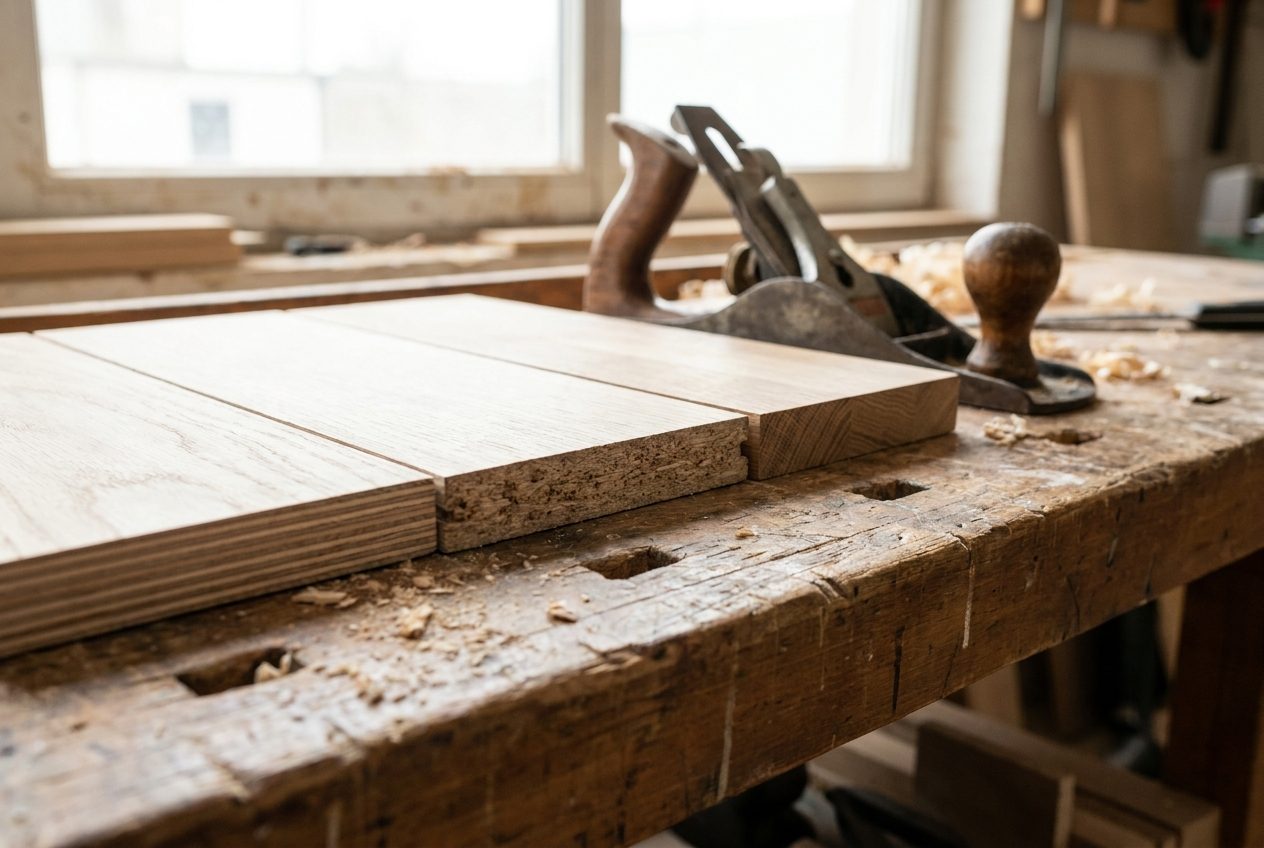
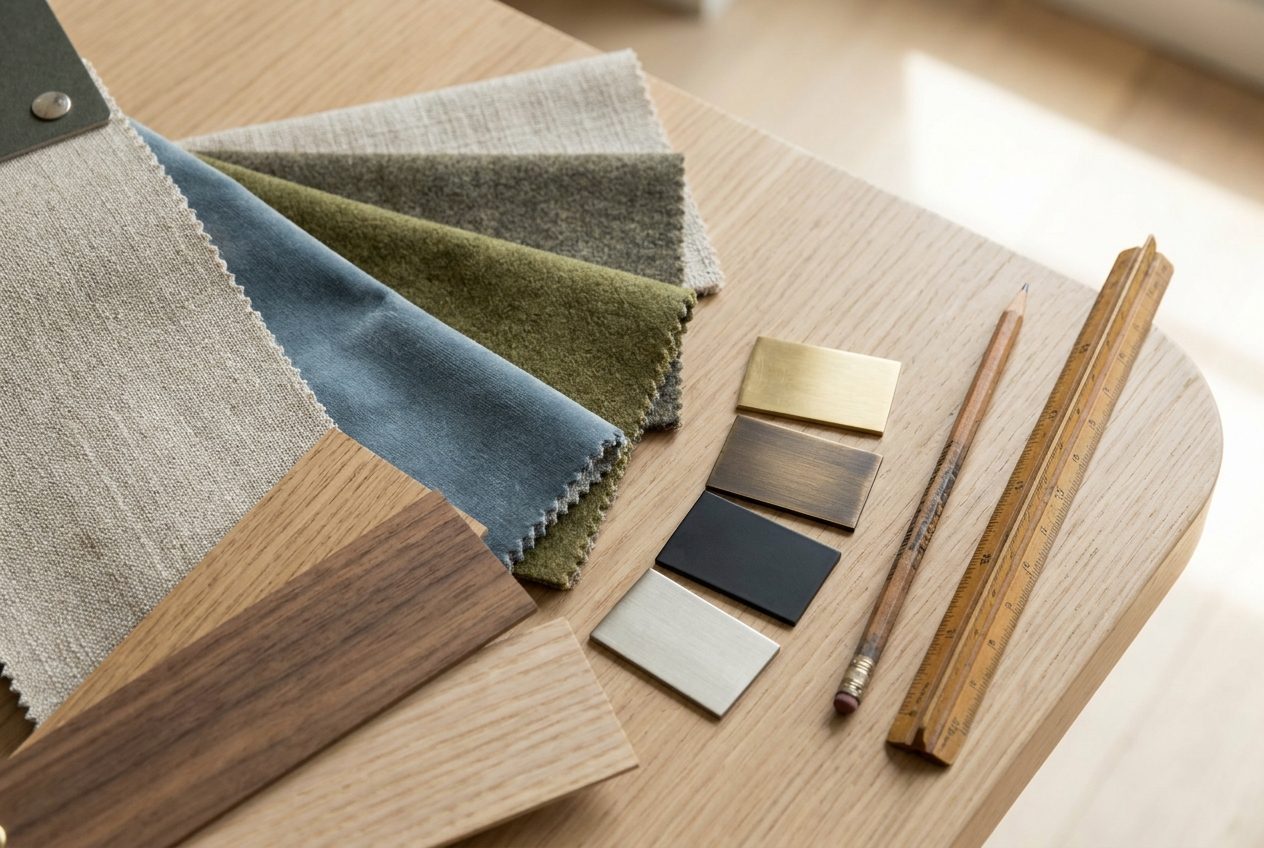
This is where real differentiation lives and where most buyers stop too early. Take the factory's standard model and upgrade the parts nobody photographs: better foam density, better hinges and slides, a heavier frame section, E0 board instead of E1, a stronger fabric.
The result looks identical in a photograph and is a materially better product, which is defensible in a showroom and shows up in your return rate. It also means a competitor who buys the same model is not selling the same thing, whatever the picture suggests.
Write the upgrade into the specification and give the item your own model number so the factory quotes it as a distinct product rather than a discount request on the standard one.
Level three: exclusivity
Exclusivity is worth asking for and worth being realistic about. A factory may grant exclusivity for a country or region on a specific model, usually against a volume commitment, and usually for a fixed period.
What makes it real: a written agreement naming the model, the territory, the period and the volume; a stated consequence if it is breached; and a modification that makes your version visually identifiable, so a breach is provable. Exclusivity on an unmodified standard model is nearly impossible to police.
Do not pay a large premium for exclusivity on a model you have not sold yet. Ask for it after the second reorder, when you have volume to trade with.
Level four: your own shape
If you pay for tooling, moulds or a bespoke frame, you can own something no competitor can buy. Three clauses make that ownership real: the tooling is the buyer's property, the design may not be produced for any other customer, and the tooling will be released or destroyed on request.
Put them in the purchase order in Chinese as well as English, and keep the invoice for the tooling separate so ownership is evidenced. Also register your design in your own market if it matters to you — enforcement is far easier at your own border than in a Chinese court.
This level only pays back at volume. Below a few hundred pieces a year, level two — a better specification under your own label — delivers most of the benefit for a fraction of the cost and none of the risk.
The practical order of operations
Brand the packaging on the first container. Upgrade the specification on the second, once you know what sells. Ask for exclusivity on the third, when you have a volume history to point at. Consider tooling on the fourth, and only for the model that has proven itself.
Buyers who do it in that order build a range that is genuinely theirs without ever taking a risk they could not afford.