Ten mistakes first time buyers make in Foshan
None of these are expensive to avoid. All of them are expensive to discover on your second trip.
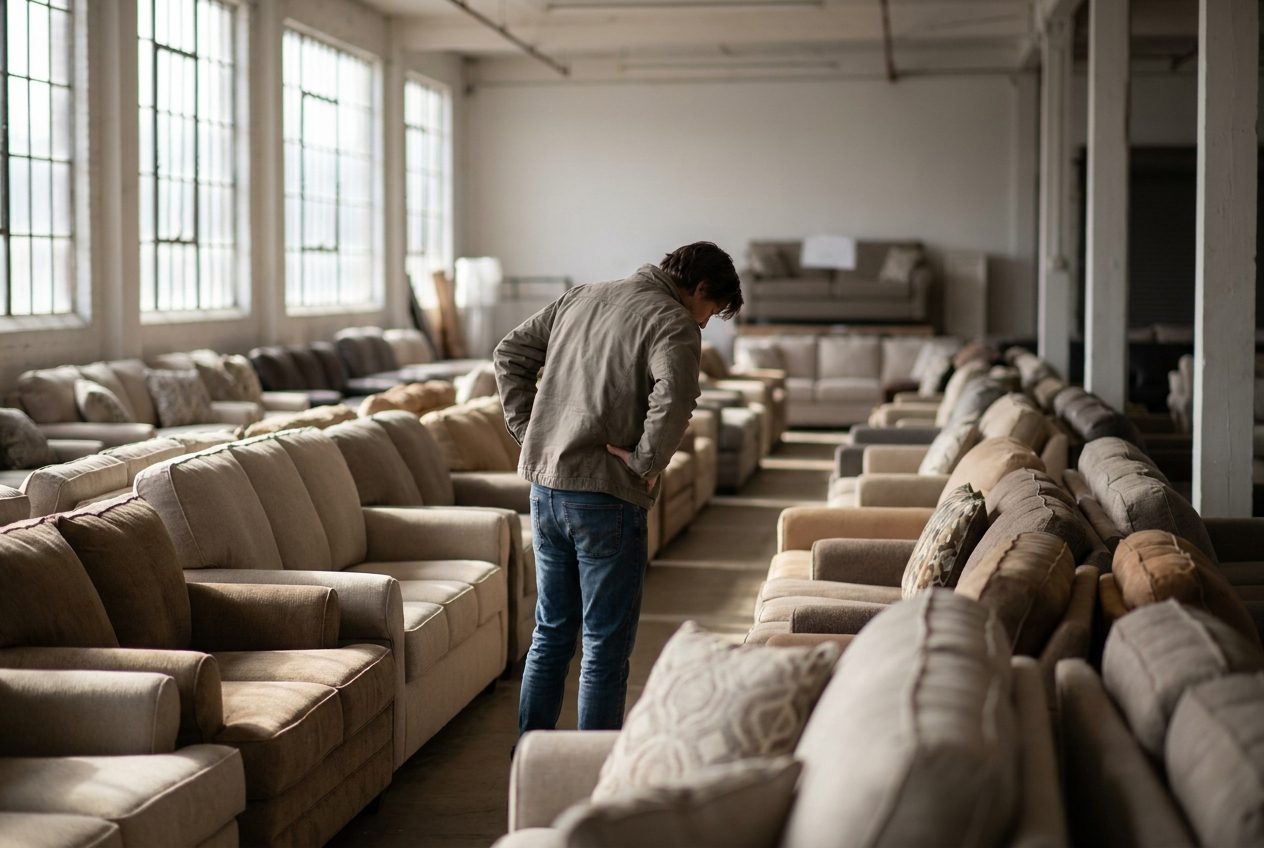
Everybody makes some of these. They are not signs of a careless buyer, they are signs of a first visit, and the district is large enough that a first visit is genuinely disorienting. Knowing them in advance turns most of them into non events.
1. Trying to see everything
The most common and the most costly. A buyer who walks nine centres in two days remembers none of them clearly and returns home with photographs they cannot match to prices. Three centres, properly worked, produce a usable shortlist. Nine produce a slideshow.
2. Arriving without a written list
A written list of what you are hunting, with quantities and a price level, is the single most valuable thing in your bag. Without it, everything is interesting, which means nothing is. Ten lines written on the plane will change your whole trip.
3. Buying in the first building
The first showroom that looks good after a long flight is always persuasive. Almost always there is something similar, sometimes better, a kilometre away. Nothing is lost by looking first and returning on day two, and returning buyers usually get a better conversation anyway.
4. Photographing without the model code
Two hundred photographs of sofas are indistinguishable a week later. Get the model code in the frame, or photograph the label immediately after the piece. This takes two extra seconds and saves entire evenings.
5. Comparing prices without comparing specifications
The same shape at two prices is usually two different products: different frame, different foam, different fabric grade. Comparing the numbers without comparing what is inside produces a conclusion that feels like a bargain and is not.
6. Ignoring packed dimensions
Furniture ships by volume. A piece with a slightly higher unit price that packs efficiently can be cheaper delivered than a bargain that packs badly. Ask for packed dimensions on every quotation and add them up as you go.
7. Assuming the display piece is the standard
The display piece is the best one they have made. It is a fair indication of what the workshop is capable of and a poor indication of the average. The way to bridge that gap is a sample and a control piece, not optimism.
8. Leaving packing to the end
Packing is the leading cause of damage and the least discussed item in most negotiations. Ask what it consists of before agreeing a price, not after. A supplier who packs well is worth a slightly higher number.
9. Underestimating lead time alignment
A container of goods from five suppliers ships when the slowest one finishes. Buyers who agree five separate lead times without lining them up discover this later, usually while explaining a delay to a customer.
10. Doing the whole thing alone on the first trip
This one is easy to misread as a sales line, so it is worth being specific about what actually happens. A buyer alone in Lecong gets around fine. The showrooms are used to foreign visitors and the basic conversation works in English.
What changes with someone local alongside you is the depth of the answers and the speed of getting them. The second layer of questions, the ones about frame timber and foam density and whether the showroom belongs to the workshop, gets answered more fully in Chinese. You also spend far less of the day in the wrong buildings. Most buyers who did their first trip alone and their second with help describe the same thing: the second trip was shorter and produced better prices, and the arrangement cost a small fraction of what the first trip’s mistakes did.
The one that is not on the list
Being too cautious. Plenty of first time buyers come, look, take photographs and place nothing, then spend six months negotiating by email from home and end up ordering from the first supplier who answered promptly. Being in the room is the advantage. Use it.