The mixed container, explained
Most furniture containers leaving Foshan carry goods from several suppliers. Here is how that actually works.
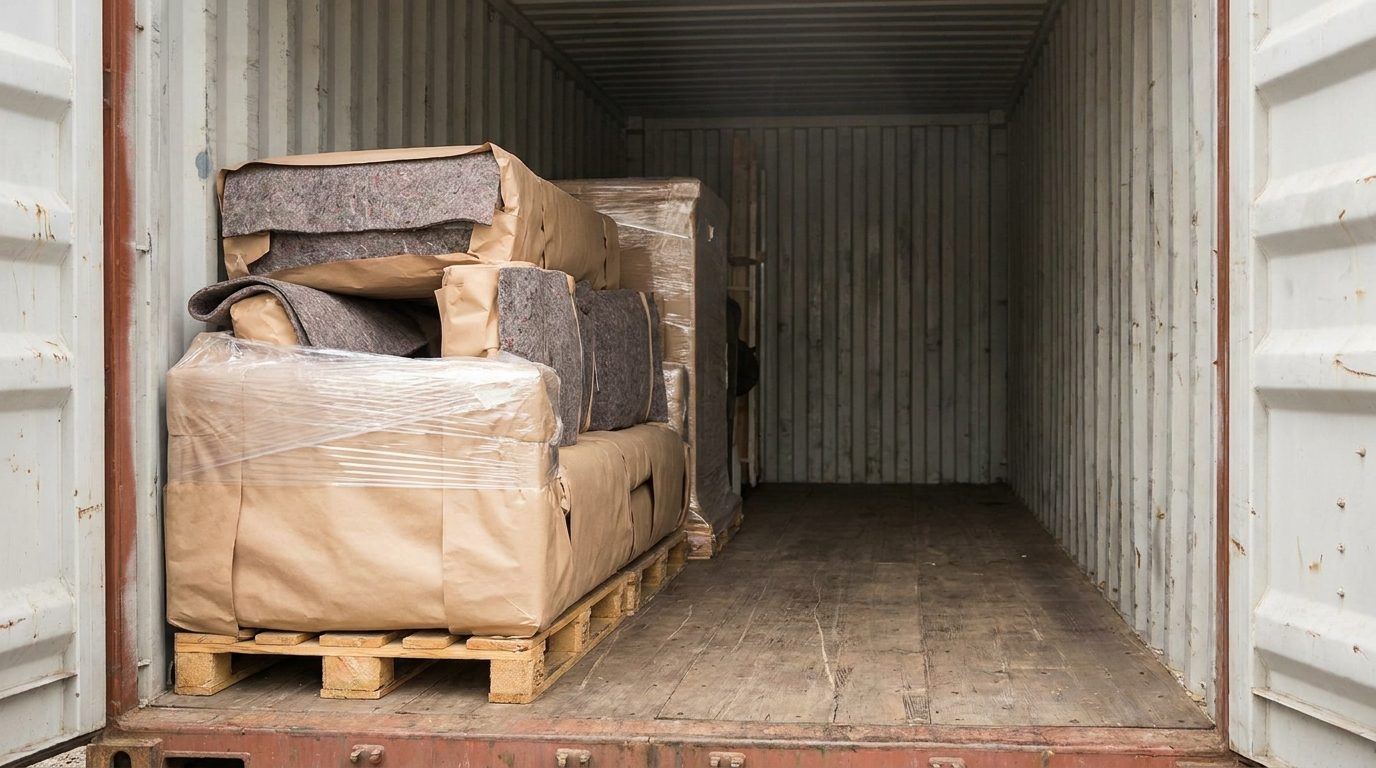
Very few buyers fill a container from one showroom, and there is no reason they should. A mixed container is the normal way furniture leaves this district, and the process is well established. What catches people out is not the concept but the timing.
How it comes together
Each supplier finishes their part of the order and delivers it to a consolidation warehouse. Everything is received, checked against the order, and held until the full shipment is present. Then the container is loaded in one operation, sealed and moved to the port.
The warehouse is doing three jobs: receiving, checking and loading. The checking is the one that matters most to you and the one most easily skipped if nobody is asking for it.
The timing problem
A container ships when the last supplier is ready. Not the average, the last. Five suppliers quoting between twenty five and forty five days means a forty five day shipment, plus whatever slippage occurs.
This is the single most common cause of a delay, and it is entirely preventable at the point of ordering by asking each supplier for their lead time and aligning them, rather than accepting five numbers independently. Ordering the slow items first and the fast items later is an obvious idea that very few first time buyers apply.
Loading order
Loading a mixed container well is a genuine skill. Heavy and flat goes low, fragile goes high, upholstery is kept away from hard edges and sharp corners, and the whole load is packed tight enough that nothing can move.
That last point is worth repeating because it is counterintuitive. A container three quarters full with space to shift will damage its contents. A container packed full and snug protects them. If your volume falls short, filling the gap with something useful is better than shipping air.
Where responsibility sits
This is worth agreeing in writing before anything moves. Who receives the goods. Who checks them against the order. Who reports a discrepancy and to whom. Who decides whether a damaged item is replaced or removed from the load. Who takes photographs at loading.
None of these are difficult questions and all of them become difficult once a container is at sea. Agreeing them at the start costs one email.
The check before the doors close
There is a short window when everything from every supplier is in one building, unpacked or repackable, with people and time available. That window is the last chance to fix anything cheaply.
What gets checked: quantities against the order, finishes matched across the batch rather than against a memory, packing intact with corners protected, cartons labelled so your own warehouse can unload sensibly, and no quiet substitutions.
Somebody has to physically be there. This is the least glamorous part of the whole process and reliably the highest value hour in it, because the cost of fixing a problem on that warehouse floor and the cost of fixing it after arrival are not remotely comparable.
Filling the last few cubic metres
There is nearly always a gap at the end. Treat it as an opportunity rather than a rounding error. Small, well packed, high turnover items fill it efficiently, and it is a cheap way to test whether a new category sells before committing to it properly.
What good looks like
Lead times aligned before ordering. One consolidation point. A named person responsible for checking. Photographs at loading. A packing list that matches the cartons. When those five things are in place, a mixed container is genuinely routine, and most of the anxiety people carry about shipping from China turns out to have been about the absence of them.