Foshan beyond furniture: the Ancestral Temple and Wing Chun
There is an older Foshan behind the furniture halls, and it takes one morning to see the best of it.
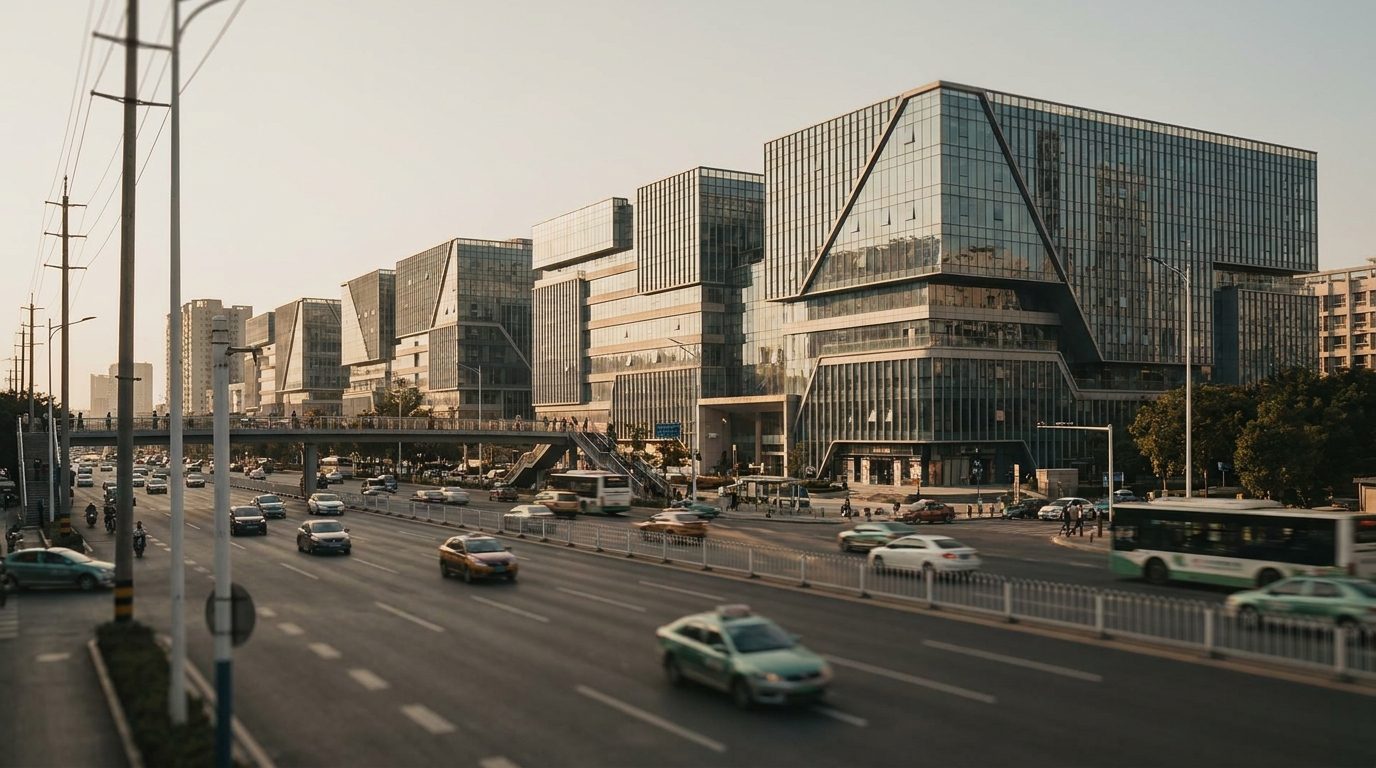
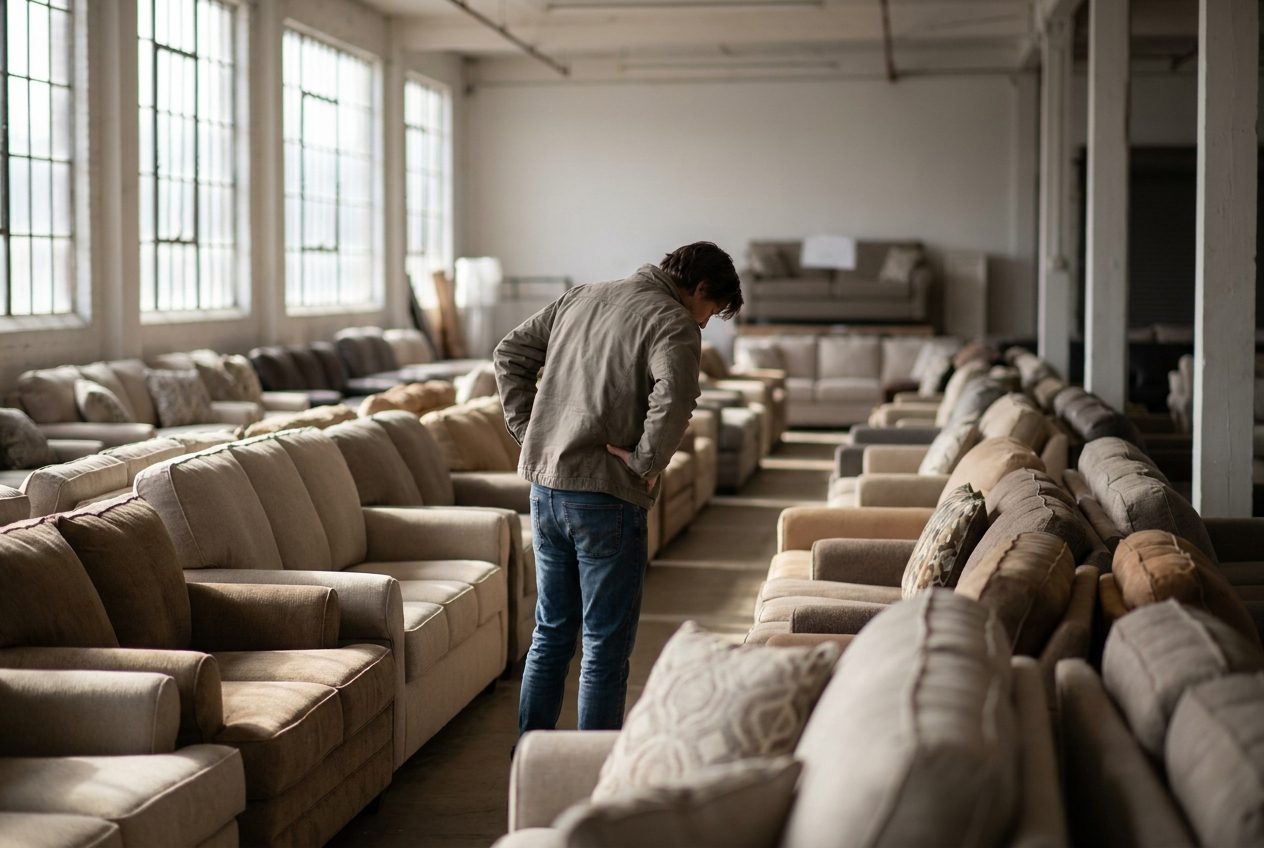
Most people who come here for furniture see the inside of large modern buildings and a stretch of road. That is a shame, because Foshan has a long history and one particularly good morning’s worth of it sits close together in the old part of the city.
The Ancestral Temple
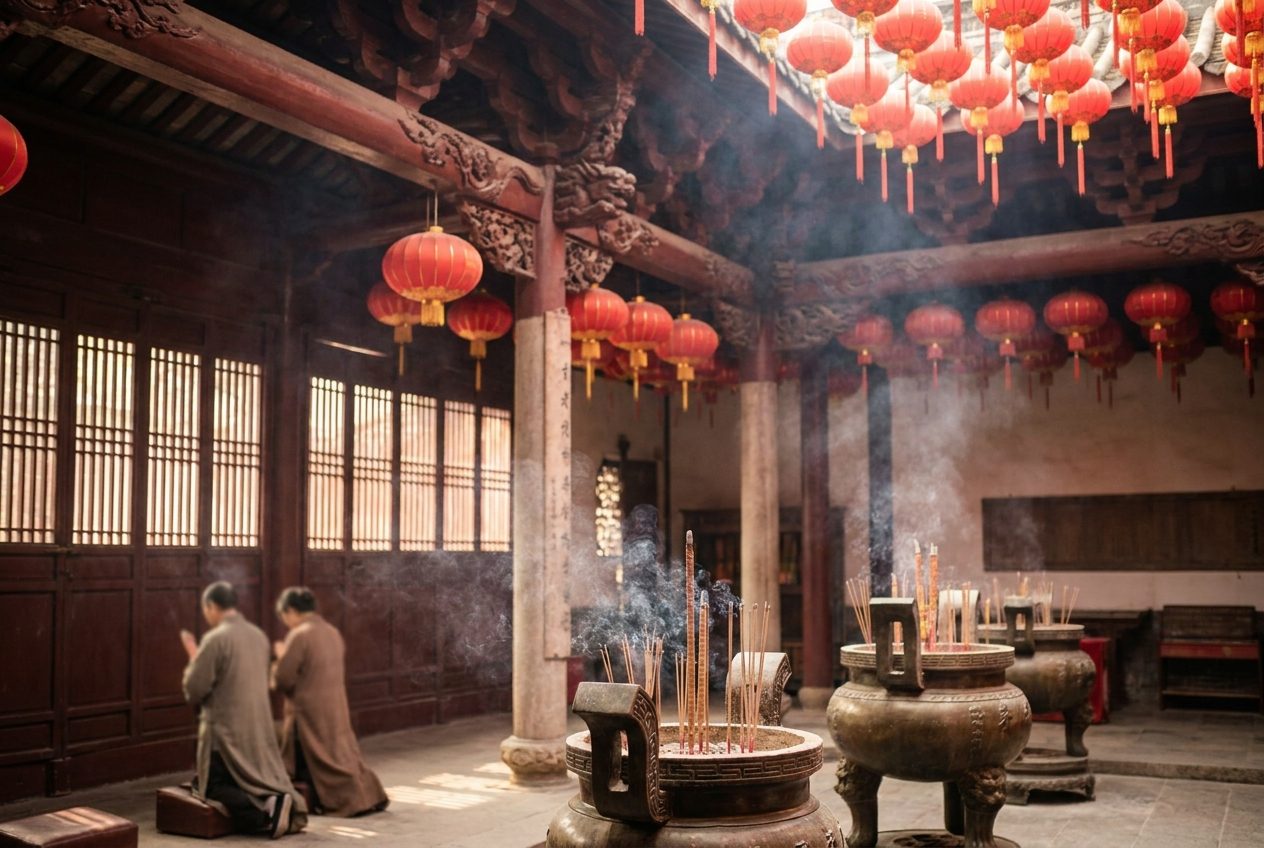
The Zumiao is the centre of old Foshan. Founded in the Song dynasty and substantially rebuilt in the Ming, it is a temple complex rather than a single hall, and the quality of the work is the reason to go.
The roof ridges carry elaborate ceramic figure groups, made in the local Shiwan pottery tradition, showing scenes with dozens of figures. The timber carving inside is exceptional. There is also historic ironwork, which reflects Foshan’s long standing as a metalworking centre.
An hour and a half is comfortable. Early morning is quietest and the light on the ceramic roof work is at its best.
Wing Chun and Ip Man
Foshan is strongly associated with Wing Chun, and with Ip Man, who taught here and later in Hong Kong, where his students carried the style much further. Within the temple grounds there is a memorial hall dedicated to him.
Even for visitors with no interest in martial arts it is worth twenty minutes, because it explains something you will notice around the city. Martial arts, lion dance and the local sense of identity are tied together here, and once you know that, a lot of what you see on doorways and in decoration makes more sense.
Huang Feihong
The other name associated with the city, a martial artist and physician who became a folk hero and the subject of a very large number of films. There is a hall dedicated to him in the same area. The two together give a good sense of why Foshan occupies the place it does in Chinese popular culture.
Lion dance
The southern lion dance tradition is strong here and connected to the martial arts schools. Performances are tied to festivals and openings rather than to a schedule, so seeing one is a matter of luck. If you are here around a festival period it is worth asking, because it is a genuinely impressive thing to watch.
Lingnan Tiandi
Next to the temple area, a district of restored Lingnan architecture now given over to restaurants, cafes and shops. Grey brick, timber shutters and narrow lanes, with modern uses inside them. It is the most pleasant place in the city to sit outside in the evening, and it works well as the end of an afternoon that started at the temple.
Nanfeng Ancient Kiln
A short distance away in Shiwan, a dragon kiln that has been fired more or less continuously for centuries. Ceramics are Foshan’s other great industry, and the kiln is a direct link between the ceramic figures on the temple roof and the tile factories operating today.
Fitting it into a working trip
All of this sits away from the Lecong furniture strip, so it belongs in an evening or a morning rather than squeezed between showrooms. The simplest version is a temple visit first thing on a morning when your first appointment is at eleven, or an afternoon at the end of the trip before an evening flight.
It is also worth doing for a reason that has nothing to do with sightseeing. Suppliers notice when a visitor has taken an interest in where they are, and mentioning that you went to the Zumiao changes the temperature of a conversation more than you would expect.